Autism Awareness Faux Embroidery PNG Review
As a professional embroidery designer managing production for a small boutique brand, I approach every new asset with a critical eye. When preparing for a limited seasonal sweatshirt drop, the margin between a premium handmade product and a generic craft project often lies in the quality of the source graphics. Recently, I evaluated the Autism Awareness Faux Embroidery PNG collection to determine if these digital illustrations could withstand the scrutiny of commercial apparel production. My goal was to assess whether this specific machine embroidery design aesthetic translates effectively from screen to fabric, ensuring that our custom apparel meets the high standards our customers expect.
First Impressions: Texture and Visual Weight
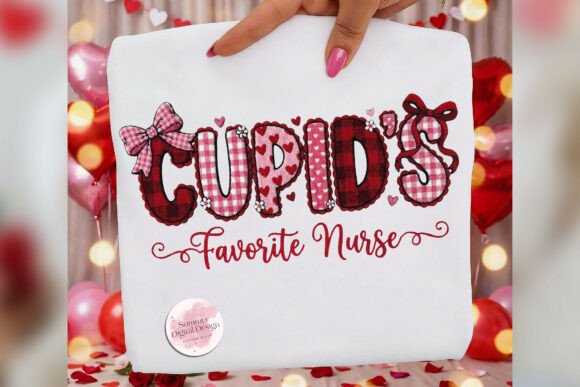
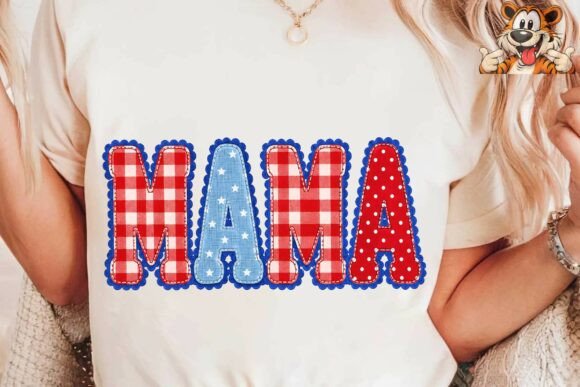
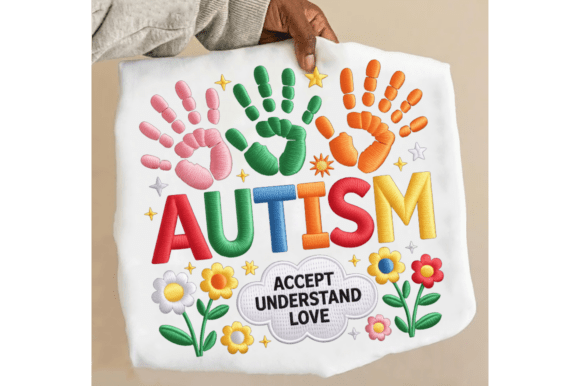
Upon opening the zip file, which comprises a range of 100 unique digitally crafted quotes, my immediate focus was on the fidelity of the faux stitch texture. In the world of Etsy seller resources and boutique merchandise, "faux embroidery" can sometimes look flat or pixelated when scaled. However, these graphics possess a surprising depth. The stitching personality embedded in the design assets mimics the sheen and shadow of real rayon or polyester threads. For an embroidery shop or apparel decorator, this distinction is vital. The designs do not look like mere clip art; they carry the visual weight of actual needlework.
The mood of the collection strikes a balance between playful and respectful, which is essential for Autism Awareness merchandise. The layout of the quotes feels organic rather than rigid, suggesting a handcrafted origin. This is crucial for maintaining brand identity in the neurodivergent support niche, where authenticity fosters buyer trust. As I reviewed the files, it became clear that these are not just standard illustrations; they are specialized graphics intended to replicate the tactile experience of a finished product without the physical stitch count limitations.
Application on Premium Sweatshirts and Hoodies
Testing these designs across different garment types revealed their versatility. On neutral sweatshirts, such as oatmeal or heather grey, the Autism Awareness Faux Embroidery PNG stands out through contrast and texture simulation. The digital stitches appear raised against the flat fabric texture, creating an optical illusion of dimensionality that elevates the perceived value of the garment. For dark fabrics like navy or charcoal, the brightness of the thread colors depicted in the PNG ensures readability and vibrancy, avoiding the muddiness that can sometimes plague digital prints on dark textiles.
I also evaluated the hoodie design placement potential. The chest area requires a graphic that is legible at a smaller scale while retaining detail. These designs maintain clarity even when reduced for left-chest placement, a common requirement for custom apparel. Conversely, when utilized as a back design on oversized hoodies, the intricate details of the faux stitching remain sharp. This scalability makes them ideal for a cohesive collection where the same motif appears on both cozy seasonal apparel and lightweight tees. For creative entrepreneurs, this means one digital embroidery file can serve multiple SKU purposes within a single drop.
Technical Considerations for Apparel Decorators
While these are digital graphics and not traditional embroidery files requiring hoop size or stabilizer adjustments, treating them with the mindset of a machine embroidery designer yields better results. When printing these onto fabric, one must consider how the faux stitch density interacts with the material. On thick fleece, the design needs sufficient opacity to prevent the fabric texture from bleeding through the printed "stitches." On smoother French terry, the fine details of the thread simulation will be more pronounced.
For those transitioning between actual commercial embroidery and digital printing, understanding the difference is key. You do not need to worry about thread breaks or jump stitches here. However, you must verify the resolution before production. Always check the specific dimensions and DPI within the download package to ensure they meet your printer’s requirements. Unlike a physical embroidery file where you adjust pull compensation for fabric stretch, here you rely entirely on the integrity of the raster image. Ensuring the edges of the faux stitches are crisp in the printable mockup phase prevents blurry outcomes on the final handmade product.
Enhancing Brand Value and Customer Engagement
In the competitive landscape of small shop products, visual recognition is paramount. Using high-quality Autism Awareness Faux Embroidery PNG graphics allows a boutique brand to offer the aesthetic of intricate needlework at a more accessible price point and faster turnaround time than traditional embroidery. This does not diminish the value; rather, it expands accessibility. Customers seeking meaningful, awareness-based apparel often prioritize the message and the visual warmth of the design over the manufacturing method.
Furthermore, these graphics significantly streamline the creation of lifestyle product photography and Etsy listings. Because the designs already possess built-in shading and texture, they render beautifully in digital mockups. This helps potential buyers visualize the finished product more accurately than flat vector art would. For digital sellers and creative entrepreneurs, this reduces return rates caused by unmet expectations. The realistic portrayal of thread colors and stitch direction in the graphic builds confidence in the buyer, reinforcing the professional nature of your brand identity.
Strategic Use in Limited Drops and Collections
When planning a limited sweatshirt drop, variety is essential to capture different customer segments. With 100 unique quotes available, this package offers ample opportunity for A/B testing and niche targeting. Some designs may lean towards a bold, advocacy-focused aesthetic suitable for fundraisers, while others may offer a softer, feminine, or minimal vibe appropriate for everyday wear. As a designer, I appreciate having a comprehensive library that allows for rapid iteration without sacrificing stylistic consistency.
It is important to note that while these are categorized under Illustrations and Graphics, their primary utility lies in apparel decoration. They bridge the gap between digital art and wearable fashion. For an embroidery shop looking to diversify offerings, these allow you to sell "embroidery-style" goods during peak seasons when machine capacity is maxed out. Similarly, for handmade business owners who do not own commercial embroidery machines, these assets provide a pathway to enter the embroidered-look market without significant capital investment.
Final Verdict for Boutique Production
After thorough evaluation, the Autism Awareness Faux Embroidery PNG collection proves to be a robust asset for serious apparel creators. The attention to stitch simulation, combined with the thoughtful curation of quotes, makes it suitable for premium boutique applications. It respects the subject matter while delivering the technical quality required for commercial use. Whether you are creating cozy seasonal apparel, updating your Etsy shop with fresh listings, or expanding your custom apparel line, these graphics offer a reliable foundation.
However, success depends on execution. Always review the specific file attributes included in your download before committing to bulk production. Test print on your chosen fabric to verify that the faux stitch density reads correctly against the textile grain. By approaching these digital assets with the same rigor as a physical machine embroidery design, you ensure that the final product honors both the craft and the cause. For small clothing brands and decorators, this collection represents a valuable intersection of efficiency, aesthetics, and meaningful design.