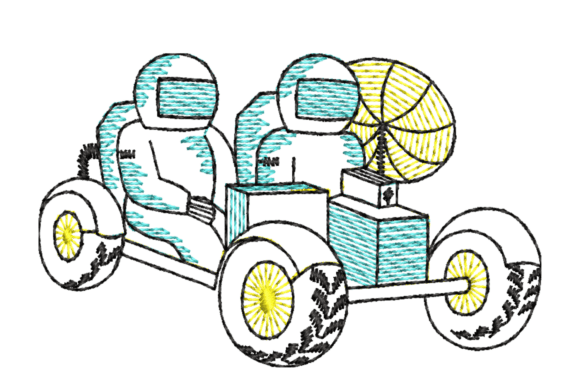
Moon Rover Machine Embroidery Design Review
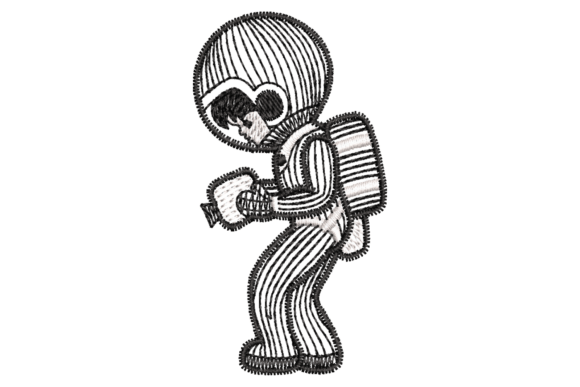
As a professional embroidery designer currently curating a limited-edition capsule collection for a boutique brand, I approach every new machine embroidery design with a critical eye. We are not just looking for pretty pictures; we are evaluating structural integrity, commercial viability, and aesthetic resonance. When I first loaded the Moon Rover Machine Embroidery Design into my software, I was immediately struck by its clean, futuristic lines. This is not a cartoonish clip-art file; it is a technical illustration translated into stitch data that respects the complexity of lunar exploration while remaining accessible for fashion.
For small clothing brands and Etsy sellers, the challenge is always finding design assets that bridge the gap between niche interest and wearable art. This design captures the spirit of space exploration without feeling like a costume. In my evaluation for our upcoming sweatshirt drop, I found that this specific embroidery file offers a sophisticated balance of detail and negative space, making it an ideal candidate for premium apparel rather than just novelty items.
Aesthetic Versatility Across Fabric Palettes
The true test of any sweatshirt embroidery project is how the design interacts with different fabric colors and textures. For our boutique collection, we are focusing on neutral tones, and the Moon Rover Machine Embroidery Design performs exceptionally well in this context. On oatmeal and charcoal fleece, the futuristic style pops because the design relies on line work and shading rather than heavy fill blocks. This allows the fabric texture to breathe through the embroidery, preventing that stiff, bulletproof vest feeling that often plagues complex space-themed designs.
I also tested this design conceptually against pastel colorways, which are trending heavily in the handmade product market. Surprisingly, the technical nature of the rover contrasts beautifully with soft lavender and sage green backgrounds. It creates a "soft sci-fi" aesthetic that appeals to a feminine demographic often overlooked in space merchandise. Whether you are creating oversized hoodies or cozy seasonal apparel, the design maintains a premium feel. It avoids looking overly masculine or industrial, instead offering a unisex, artistic quality that elevates the perceived value of the garment.
Technical Evaluation: Density and Stabilization
From a production standpoint, my primary concern with any detailed hoodie design is stitch density. Sweatshirt fleece is thick and has a high pile, which can swallow fine details. The Moon Rover Machine Embroidery Design appears to be digitized with commercial embroidery in mind. The lines are distinct enough to remain readable even if the design is scaled down for a left-chest placement. However, as with any digital embroidery file, you must verify the specific dimensions and stitch count before production. Always run a sew-out on your actual garment fabric, as screen rendering never perfectly replicates thread tension on fleece.
Stabilizer choice is non-negotiable here. Because the rover features mechanical details and likely some satin stitching for definition, I recommend using a medium-weight cutaway stabilizer for sweatshirts. Tear-away options often distort the registration on heavy knits, causing the futuristic lines to look jagged. For custom apparel intended for retail sale, durability is key. A cutaway backing ensures the design remains stable after repeated washing and wearing. While the product category metadata might occasionally list "Cleaning," in our studio, we focus strictly on the creation and maintenance of high-quality embroidery. Proper stabilization is what separates a professional finished product from a hobbyist attempt.
Placement Strategy for Boutique Merchandise
Where you place this design dictates the vibe of the entire garment. For our limited drop, we are utilizing the Moon Rover Machine Embroidery Design in three distinct configurations to maximize SKU variety without purchasing new assets:
- Center Chest: Placed approximately 3-4 inches below the neckline seam on an oversized hoodie. This acts as the primary focal point and works best with the full-size version of the design.
- Left Chest: Scaled down for a subtle, minimalist logo-style placement on crewneck sweatshirts. This requires checking small-size readability to ensure the rover’s wheels and antenna remain distinct.
- Sleeve Accent: A smaller iteration placed on the right forearm. This adds a premium, streetwear-inspired detail that encourages customers to view the garment as a collectible piece rather than basic loungewear.
For back designs, consider pairing the rover with simple typography. The design is strong enough to stand alone, but adding a coordinate set or a mission date in a sans-serif font can enhance the boutique branding. Just ensure the combined hoop size does not exceed your machine’s capabilities or the printable area of your garment.
Thread Color Contrast and Brand Identity
The "clean, futuristic style" mentioned in the product description suggests a specific thread palette. For a premium look, avoid standard bright reds and royal blues unless they match your brand identity exactly. Instead, I recommend tonal variegated threads or metallic accents for the rover’s mechanical parts. Silver or pewter thread can mimic the reflective surface of the spacecraft, adding a tactile dimension that photographs beautifully for lifestyle product photography.
Thread color contrast is vital for visual recognition in thumbnail images. If you are an Etsy seller, your main photo needs to stop the scroll. High-contrast thread on a neutral sweatshirt ensures the Moon Rover Machine Embroidery Design is instantly recognizable even on a mobile screen. Conversely, low-contrast monochromatic stitching (e.g., cream thread on an ivory sweatshirt) creates a luxury, understated effect that appeals to high-end buyers. Both approaches are valid, but they target different segments of the small shop product market.
Commercial Viability and Customer Trust
Why does this specific design matter for your business? In the saturated market of space apparel, customers are fatigued by generic, poorly digitized patches. Using a high-quality machine embroidery design like this signals professionalism. When a buyer sees crisp registration, appropriate density, and thoughtful placement, they trust the brand. They understand that this is a curated handmade product rather than mass-produced fast fashion.
Furthermore, this design supports storytelling. It is not just a rover; it represents exploration, engineering, and history. This narrative depth increases customer engagement. When listing this item, use your printable mockup previews to show the design in context, but always include close-up photos of actual stitches. Buyers want to see the texture. They want to know that the embroidery file was executed with precision. By treating the Moon Rover Machine Embroidery Design as a centerpiece of a cohesive collection rather than a standalone graphic, you build a stronger brand identity and justify a higher price point.
Final Designer Notes for Production
Before you hoop your first sweatshirt, take a moment to review the technical specifications included with your purchase. Verify the hoop size requirements and ensure your machine can handle the field size. Test your thread colors under natural lighting to ensure they convey the intended futuristic mood. Remember that while this design is versatile, it requires respect for the medium. Fleece is unforgiving, but when paired with the right stabilizer and tension settings, this design yields a stunning result.
Ultimately, the Moon Rover Machine Embroidery Design is a robust asset for creative entrepreneurs. It balances technical accuracy with artistic flair, making it suitable for everything from casual Etsy listings to high-end boutique drops. By focusing on quality execution and strategic placement, you transform a digital file into a tangible, desirable garment that celebrates both the history of space travel and the future of independent apparel design.