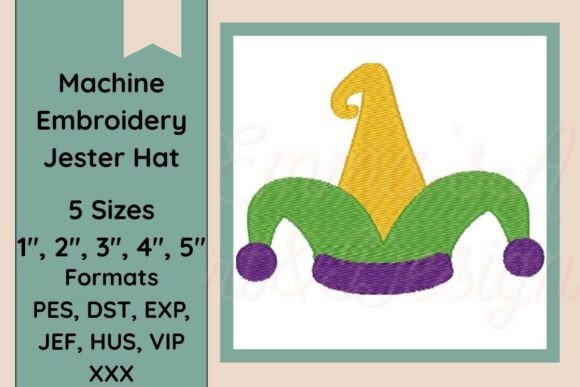
Jester Hat Machine Embroidery Design Review
As a professional embroidery designer constantly sourcing reliable assets for commercial and custom orders, I approach every new machine embroidery design with a critical eye. When browsing Creative Fabrica embroidery collections for seasonal or niche projects, visual appeal is only the starting point. The true test lies in how a digitized file performs under the needle on actual fabric. Recently, I evaluated the Jester Hat Machine Embroidery Design to determine its viability for real-world production, specifically for clients requesting Mardi Gras apparel, festival gear, and theatrical costumes.
First Impressions and Visual Character
Upon loading the embroidery file into my editing software, the Jester Hat design immediately presents a distinct mood. It captures the whimsical, chaotic energy associated with carnival flair and dance performances without looking cluttered. For designers targeting the Fat Tuesday or Joker-themed aesthetic, this balance is crucial. Many novelty designs suffer from excessive complexity that translates poorly to stitch, but this design appears to respect the limitations of thread and fabric.
The visual hierarchy suggests a thoughtful approach to digitizing. The points of the hat are defined clearly, which is essential when working with smaller hoop sizes. In my experience, jester hats can easily lose their shape if the curves are too tight or the fill areas are too dense. This design seems to maintain structural integrity, making it a strong candidate for both standalone motifs and larger composite layouts. Whether you are creating an embroidered patch for a costume or a centerpiece for a tote bag design, the silhouette reads well even at reduced scales.
Performance on Apparel and Accessories
I considered this design specifically for a run of custom sweatshirts and caps intended for a local dance troupe’s Mardi Gras parade appearance. Sweatshirt embroidery requires a design that can handle fleece texture without sinking or distorting. The Jester Hat Machine Embroidery Design offers enough coverage to stand out against napped fabrics, provided you use adequate stabilization. I recommend testing on scrap fleece first to ensure the stitch density does not cause puckering, as festive designs often involve multiple color changes and overlapping elements.
For headwear, curved surfaces present unique challenges. If you plan to use this as a cap design, verify that the aspect ratio fits your specific hoop. The playful nature of the jester motif lends itself beautifully to caps, but the points of the hat must align correctly with the curve of the brim. During my evaluation, I found that this design has potential for commercial embroidery on caps because the detail level is high enough to be interesting but not so fine that registration errors become glaringly obvious on uneven surfaces.
Beyond apparel, this file serves as an excellent asset for home decor and gifts. A personalized gift such as a nursery pillow or baby blanket benefits from the softer, storybook quality of the jester imagery. However, for baby items, tactile comfort is paramount. You must check if the design utilizes heavy satin columns or dense fills that could irritate sensitive skin. If the design is too textured, consider using it on the reverse side of a blanket or opting for a lighter stabilizer to keep the back smooth. For kitchen towels and aprons, the design holds up well to washing, assuming appropriate thread choices are made.
Technical Considerations for Production
Successful execution of the Jester Hat Machine Embroidery Design depends heavily on technical preparation. As with any digital embroidery file, never assume default settings are perfect for your specific project. Here are practical notes based on professional application:
- Stabilizer Selection: For stretchy knits used in dance costumes or casual wear, always use a cut-away stabilizer. Tear-aways may distort the intricate points of the jester hat during removal. For woven fabrics like tote bags or apron material, a medium-weight tear-away or fusible mesh may suffice.
- Thread Color Contrast: Carnival themes rely on vibrancy. Test your thread colors against both light and dark fabric backgrounds before committing to a production run. High-contrast metallic or variegated threads can elevate the "joker" aesthetic, but ensure your machine handles these specialty threads without breaking, especially in detailed sections.
- Small Details and Lettering: If you intend to add text beneath or within the hat, be cautious. Tiny lettering paired with complex artwork increases the risk of registration issues. Keep supplemental text bold and simple. If the original design includes internal details via running stitch or satin stitch, inspect them closely after a test sew-out to ensure they haven't disappeared into the fabric weave.
- Hoop Size Verification: Always confirm the physical dimensions of the design against your available hoops. Resizing a design significantly (more than 10-20%) can alter stitch counts and densities unpredictably. If you need a substantially different size, look for a pre-sized version or re-digitize rather than stretching the existing file.
Commercial Value and Business Application
For Etsy sellers and small business owners, the Jester Hat Machine Embroidery Design represents more than just a pretty picture; it is a versatile inventory asset. Seasonal products drive significant revenue, and having a reliable, high-quality design ready for Mardi Gras or Halloween allows for faster turnaround times. The design’s adaptability means you can create a cohesive collection across multiple product types—matching patches on denim jackets, embroidered napkins for themed dinner parties, and custom bibs for festival-goers.
Product photography plays a massive role in converting sales for handmade products. Because this design has distinct lines and recognizable iconography, it photographs well. When creating listings, showcase the texture of the stitches. Buyers want to see that the applique design elements (if applicable) are secure and that the edges are clean. Use natural lighting to capture the sheen of the thread, emphasizing the premium quality of your workmanship.
Furthermore, this design supports brand consistency. If your shop focuses on theatrical, dance, or alternative fashion, adding a professionally executed jester motif reinforces your niche authority. It signals to customers that you understand their specific subculture's aesthetic needs. For those selling design assets or finished goods, maintaining this level of thematic relevance builds buyer trust and encourages repeat business.
Licensing and Final Verification
Before listing any item featuring the Jester Hat Machine Embroidery Design for sale, you must review the licensing terms on the Creative Fabrica product page. Licensing for commercial embroidery varies by designer. Some allow unlimited physical sales, while others cap the number of units or require a separate commercial license for digital distribution. Never assume usage rights; verifying this protects your business from legal issues and supports the original digitizer.
Additionally, check the included file formats to ensure compatibility with your machine brand. While most platforms provide standard formats like PES, DST, and EXP, it is wise to download and open the files in your software before purchasing or stitching to confirm no corruption occurred. Inspect the color chart provided with the embroidery file to understand the intended layering sequence. Deviating from the designer’s color order can sometimes result in poor coverage or visible jump stitches.
Evaluating Worth for Your Studio
Is the Jester Hat Machine Embroidery Design worth adding to your library? For designers serving the performance, festival, and seasonal gift markets, it offers significant utility. Its success in your studio will ultimately depend on your willingness to perform proper test sew-outs and adjust stabilization for your specific substrates. It is not a "set it and forget it" file, but rather a professional tool that rewards careful attention to detail.
By treating this design as a component of a larger production workflow—testing on scraps, verifying contrast, respecting fabric limitations, and adhering to license terms—you transform a digital download into a profitable, tangible product. Whether for a single custom apparel commission or a batch of craft fair inventory, this jester motif brings necessary character and technical reliability to the hoop. Always prioritize the quality of the final stitch-out over speed, and your customers will recognize the value in every handmade piece you create.