Cloud Machine Embroidery Design Review
As a professional embroidery designer running a personalized gift shop, I am constantly evaluating new digital assets to ensure they meet the high standards my customers expect. When planning inventory for the upcoming season, specifically for nursery and home decor categories, I decided to test the Cloud Machine Embroidery Design. This review reflects my hands-on experience testing this specific machine embroidery design for real-world applications, focusing on its viability for baby embroidery, wedding gifts, and general house-themed projects.
First Impressions: Mood and Aesthetic Appeal
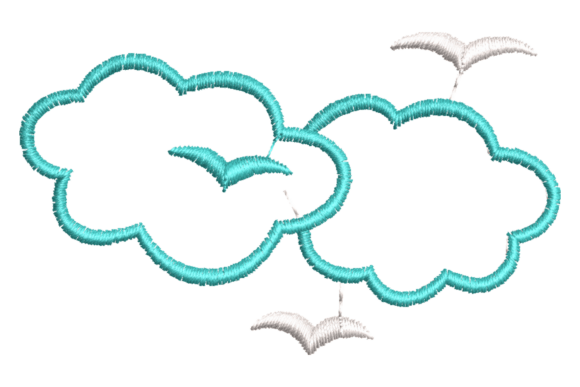
Upon loading the embroidery file into my software, the first thing that struck me was the immediate sense of calm this design evokes. The description promises soft, fluffy clouds with a clean and gentle look, and the digitizing truly delivers on that minimalist cartoon style. In an industry often saturated with overly complex or dense designs, this Cloud Machine Embroidery Design stands out for its restraint. It feels sweet and modern without being childish, striking a difficult balance that appeals to both new parents and adults seeking dreamy nursery decor.
The emotional appeal is significant. For an Etsy seller or small shop product creator, emotion drives sales. This design does not just stitch out a shape; it creates an atmosphere. It feels handmade and thoughtful rather than mass-produced. Whether intended for a gender-neutral baby shower gift or a serene addition to a master bedroom pillow cover, the aesthetic versatility is a major asset for commercial embroidery businesses looking to expand their catalog with timeless motifs.
Real-World Application: From Digital File to Finished Product
To truly understand the value of this design, I simulated a custom order scenario. A customer requested a personalized gift for a newborn, specifically a receiving blanket that could transition into nursery wall art later. I selected the Cloud Machine Embroidery Design as the centerpiece. The minimalist nature of the clouds allowed for easy personalization; there was ample negative space to add a monogram or birth date without cluttering the visual field.
I also tested this design on an embroidered towel for a housewarming gift. While towels present texture challenges, the clean lines of this cloud motif held up beautifully against the terry cloth. For wedding gift designers, this pattern offers a unique alternative to traditional florals. Imagine a set of linen napkins or a keepsake tote bag featuring these soft clouds—it suggests a "dreamy" future for the couple. As a handmade product, the stitch-out looked professional and intentional, reinforcing customer trust in the quality of my custom embroidery services.
Critical Considerations for Fabric and Placement
While the Cloud Machine Embroidery Design is versatile, my testing revealed specific areas where makers must exercise caution. Not every fabric texture is compatible with this level of minimalism. Because the design relies on clean outlines and smooth fills to achieve that fluffy appearance, highly textured fabrics like boucle or thick chenille can distort the edges. If you are creating blanket embroidery on minky fabric, you must use a water-soluble topping to prevent the stitches from sinking into the pile.
Stretchy baby clothes require special attention. When embroidering onesies or stretchy knits, the stabilizer choice is paramount. I recommend using a fusible cut-away stabilizer to maintain the integrity of the cloud shapes during wear and washing. Without proper stabilization, the minimalist lines can pucker, ruining the gentle look. Additionally, be mindful of curved surfaces. Hooping a curved item like a stuffed animal or a rounded pillow cover can cause registration issues. Always test on scrap fabric that mimics your final substrate before committing to a customer order.
Dark fabrics also present a challenge. The design’s charm lies in its softness, which can get lost on navy or charcoal backgrounds unless you adjust thread colors significantly. Light pastels or white threads on dark fabric may require additional underlay to prevent the fabric color from showing through, which alters the stitch density and potentially the drape of the garment. Always compare light and dark fabric mockups before listing a finished product in your shop.
Enhancing Giftability and Perceived Value
In the personalized gift market, perceived value is directly tied to execution. The Cloud Machine Embroidery Design enhances giftability because it photographs exceptionally well. The clean, gentle look translates perfectly to digital listings and printable mockups. When customers browse Etsy or Instagram, they are drawn to clarity. This design’s lack of visual noise makes it instantly readable in thumbnail images, increasing buyer engagement.
Furthermore, the emotional connection established by this design supports higher price points for custom embroidery. Clients are not just buying a stitched cloud; they are buying a feeling of safety, dreams, and comfort for their child or home. As a small business owner, leveraging this emotional resonance allows you to position your items as premium keepsakes rather than generic commodities. However, always confirm commercial licensing terms within your digital embroidery file documentation before selling finished products to ensure you are operating legally and ethically.
Practical Technical Notes for Makers
Before adding this design to your production lineup, adhere to these practical embroidery notes derived from my testing process:
- Verify Specifications: Since exact stitch counts and hoop size requirements vary by digitizer, always check the included read-me file. Do not assume the design fits a 4x4 hoop without measuring the actual dimensions in your software.
- Stitch Density Check: Review the stitch density settings. If the design feels too stiff on lightweight cotton, consider reducing the density slightly in your editing software to maintain fabric drape, especially for baby embroidery.
- Thread Color Contrast: Test thread colors on scrap fabric first. What looks good on screen may lack definition on physical fabric. Ensure the "fluffy" effect is achieved through appropriate shading or satin stitch width.
- Stabilizer Matching: Match your stabilizer to the end-use. Use tear-away for stable woven fabrics like quilting cotton, but switch to cut-away for knits or items requiring frequent washing like aprons and towels.
- Small Detail Integrity: After stitching a test sample, inspect small details closely. Minimalist designs expose errors more readily than complex ones. Ensure corners are crisp and curves are smooth.
- Mockup Accuracy: When creating listings, use realistic printable mockups that accurately represent the scale of the Cloud Machine Embroidery Design relative to the product. Misleading scale representations lead to returns and negative reviews.
Final Thoughts for Shop Owners
The Cloud Machine Embroidery Design is a strong contender for any shop focusing on nursery, baby, or soft home goods. Its success lies in its ability to convey emotion through simplicity. By respecting the technical requirements regarding fabric texture, stabilizer selection, and proper hooping, you can transform this digital embroidery file into a best-selling personalized gift. Remember that in the world of custom embroidery, consistency builds trust. Take the time to perfect your stitch-out with this design, and it will likely become a staple in your collection for years to come.