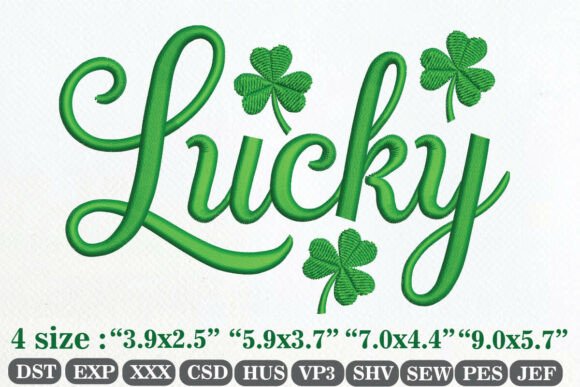
Lucky Embroidery Design: A Maker’s Review
As an embroidery designer preparing for the upcoming spring market season, I am constantly evaluating which digital assets will translate into best-selling physical products. When reviewing the Lucky Embroidery Design, my primary focus is not just on the aesthetic appeal of the screen preview, but on how this machine embroidery design performs under the needle and in the hands of customers at a craft fair. This review breaks down the practical application of this design for Etsy sellers, boutique makers, and creative entrepreneurs looking to maximize their St Patrick S Day sales and beyond.
First Impressions and Market Viability
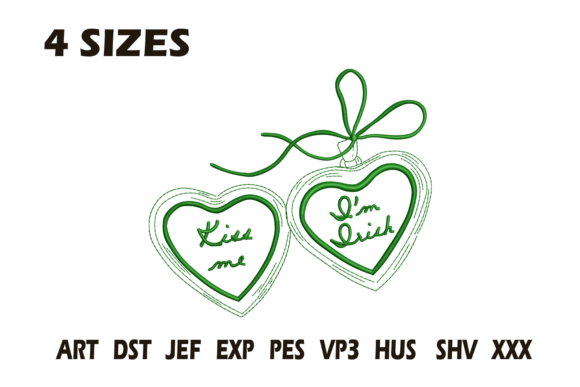
Upon loading the embroidery file into my software, the Lucky Embroidery Design immediately presents itself as a versatile crossover asset. While clearly categorized for St Patrick S Day, the description highlights a "fun and stylish touch" suitable for home décor and bags. This suggests a balance between festive novelty and evergreen charm. For a handmade product line, this distinction is critical. A design that feels too costume-like may only sell for three weeks a year, whereas a design with genuine stylistic merit can anchor a booth display from late February through April.
The visual weight of this design appears optimized for high-traffic retail environments. It possesses enough boldness to be readable from five feet away at a market stall, yet retains enough detail to justify a premium price point when inspected up close. For digital sellers and commercial embroidery businesses, this duality increases the return on investment for the design assets.
Best Applications for Craft Fair Products
Determining where to place a new design is half the battle. Based on the stitch structure and thematic elements of the Lucky Embroidery Design, I have identified specific substrates that offer the highest potential for sales.
- Tote Bag Design: Canvas totes are the quintessential craft fair impulse buy. This design works exceptionally well here because the flat weave of canvas allows for crisp registration. The "lucky" theme transforms a utility item into a sentimental gift.
- Tea Towel Embroidery: Kitchen textiles are staples for small shop products. Because this design brings charm to home décor, it elevates a simple flour sack towel into a giftable keepsake. Ensure you use a tear-away stabilizer to prevent puckering on lighter linens.
- Apron Embroidery: For the spring baking and gardening crowd, an apron featuring this design taps into the cozy, handmade aesthetic. The placement should be centered on the bib or lower pocket area to act as a focal point without interfering with ties.
- Embroidered Patch: If you want to create low-cost add-ons for your booth table, test this design as a patch. Using felt or twill backing allows for dense saturation without fabric distortion. These can be sold as standalone iron-ons or applied to caps and pouches on-site.
- Cushions and Home Décor: As noted in the product description, this design suits soft furnishings. For pillow covers, consider using a textured linen or velvet. The contrast between the smooth thread colors and the fabric texture adds perceived value to the finished product.
Production Realities and Technical Considerations
A beautiful digitization does not always guarantee a smooth production run. When integrating the Lucky Embroidery Design into a batch workflow, several technical factors require attention to ensure professional results.
Stitch Density and Fabric Texture
One of the first things I check is stitch density relative to the intended substrate. If you are stitching this onto thick terry cloth towels or nubby linen, you must verify that the design has adequate underlay. Without proper foundation stitches, the top threads can sink into the pile, causing the design to lose clarity. Conversely, if applying this to a lightweight t-shirt, excessive density could cause bulletproofing or fabric tearing. Always run a sew-out on scrap fabric that matches your final production material before committing to a full batch.
Hoop Size and Stabilizer Selection
Efficiency at the machine directly impacts profit margins. Check the dimensions of the Lucky Embroidery Design against your available hoop size. If the design fits within a 4x4 hoop, you can utilize multi-needle machines more effectively or reduce re-hooping time on single-needle setups. Regarding stabilizer, do not rely solely on adhesive spray. For items like caps or curved surfaces, use a firm cut-away or specialized cap backing to maintain registration. For dark fabrics, ensure your thread colors provide sufficient contrast; a green-on-black motif might look great digitally but disappear in dim craft fair lighting.
Scaling and Detail Retention
The product description mentions versatility across t-shirts, bags, and cushions. However, resizing a machine embroidery design requires caution. If you scale the Lucky Embroidery Design down significantly for a baby onesie or sleeve cuff, tiny details and small lettering may merge. Satin stitches can become too thin to cover the fabric grain, while fill stitches may become too dense. Conversely, scaling up for a large market bag may reveal gaps in coverage. Always inspect the stitch count and jump paths after any resizing to ensure the integrity of the finished product remains intact.
Merchandising and Visual Appeal
How a product looks in a photograph versus real life dictates online and offline success. The Lucky Embroidery Design offers strong merchandising opportunities due to its inherent thematic recognition.
For Etsy sellers, creating a printable mockup is essential for listing optimization. However, nothing replaces photography of the actual stitched sample. When photographing tea towel embroidery or tote bags, use natural lighting to capture the sheen of the rayon or polyester threads. The interplay of light on the stitches communicates quality better than any digital rendering. At a physical booth, display this design at eye level. Group items by color story rather than product type; a cluster of green and white embroidered goods creates a cohesive visual anchor that draws buyers in from the aisle.
Brand consistency is also vital. If your shop focuses on modern minimalism, ensure the thread palette chosen for this design aligns with your existing inventory. You might opt for muted sage and cream tones rather than bright kelly green to maintain your boutique's signature aesthetic while still participating in the seasonal trend.
Designer Notes for Commercial Success
Before listing any item made with the Lucky Embroidery Design for sale, adhere to these professional best practices:
- Verify Licensing: Confirm the commercial embroidery license terms included with your purchase. Some designers restrict the number of physical items you can sell or prohibit mass production. Understanding these limits protects your business.
- Create Physical Mockups: Never rely exclusively on digital previews. Stitch at least one complete sample to test thread tension, color blending, and overall feel. This sample serves as both your quality control benchmark and your marketing photography subject.
- Test Thread Contrast: View your thread selection under both daylight and artificial booth lighting. Colors shift dramatically between environments. What looks vibrant in your studio may appear muddy under fluorescent market lights.
- Check Spacing and Alignment: If combining this design with custom text or names, ensure adequate spacing. Crowded designs look amateurish. Use alignment tools in your software to guarantee perfect centering every time.
- Document Your Settings: Keep a production log noting which stabilizer, needle size, and tension settings worked best for each fabric type. This saves hours of troubleshooting during future reorders.
The Lucky Embroidery Design represents a valuable addition to a maker's library when approached with technical mindfulness. By respecting the relationship between digitization, substrate, and end-use, craft fair sellers and digital creators can transform this file into profitable, cherished handmade goods. Whether adorning a spring tea towel or a lucky tote bag, success lies in the execution details that separate hobbyist output from professional commercial embroidery.