Cute Cat Outline Embroidery Pattern Review
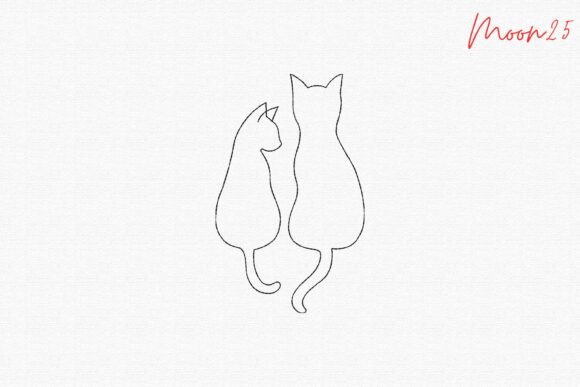
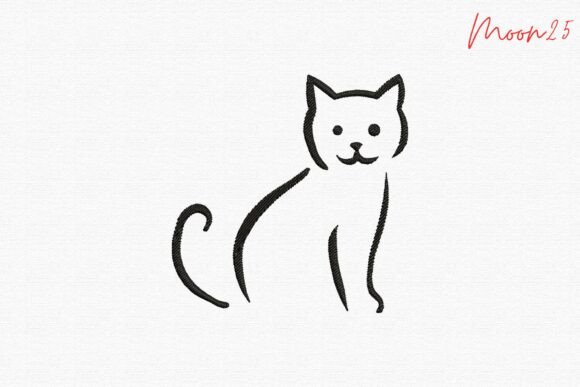
As a professional embroidery designer and product reviewer, I approach every new machine embroidery design with a critical eye. It is not enough for a digital file to look appealing on a screen; it must perform under the needle and result in a high-quality finished product. When evaluating the Cute Cat Outline Embroidery Pattern, my primary focus was on its versatility and structural integrity for real-world applications. This design features a clean, minimalist line-art style that immediately suggests modern aesthetics rather than traditional, dense embroidery. The sweet expression and smooth flowing stitches indicate a deliberate choice toward a running stitch aesthetic, which significantly alters how we should approach stabilization, fabric selection, and end-use compared to standard satin stitch or fill stitch designs.
First Impressions: Minimalist Charm and Stitch Flow
Upon opening the embroidery file, the first thing that stands out is the economy of line. In an industry often saturated with overly complex applique design files or heavy coverage patterns, this cat outline feels refreshing. The visual personality is soft and approachable, making it inherently suitable for a wide demographic ranging from nursery decor to adult fashion. However, as a reviewer, I am looking past the cuteness to the digitizing logic. The "smooth flowing stitches" mentioned in the description are crucial. In single-line art, there is nowhere to hide. A jagged path or poor node placement becomes glaringly obvious once stitched. Fortunately, this pattern appears to respect the natural drape of thread, avoiding sharp, unnatural angles that can cause thread breaks or puckering on lighter fabrics.
The mood created by this design is one of effortless simplicity. It does not demand attention through size or density but rather through character. This makes it an excellent candidate for creators who want their handmade product to feel curated and intentional rather than mass-produced. For Etsy seller accounts focusing on cottagecore, pet lover niches, or minimalist apparel, this design asset aligns perfectly with current market trends that favor line art over cartoonish saturation.
Real-World Application: Stitching a Custom Tote Bag
To truly evaluate the Cute Cat Outline Embroidery Pattern, I mentally simulated a specific production scenario: creating a custom canvas tote bag design for a small boutique launch. Canvas is a textured, medium-weight fabric that can be unforgiving to fine details. Because this design relies on a running-stitch look, the interaction between thread colors and fabric texture becomes the defining factor of success.
In this scenario, I would avoid using a standard tear-away stabilizer alone. Even though the design is lightweight, the repetitive motion of a running stitch on canvas can cause tunneling if the fabric isn't supported correctly. A medium-weight cut-away or a fusible mesh stabilizer would be my recommendation to maintain the crispness of the cat’s outline. During the stitching process, the open nature of this design means registration marks are less critical than in multi-color layered designs, but tension remains paramount. If the top tension is too tight, the single line will sink into the canvas weave; too loose, and the loops will snag during use.
From a customer reaction standpoint, this type of commercial embroidery performs exceptionally well because it feels personal. Unlike a dense patch that sits stiffly on the bag, an outline design integrates with the material. Customers perceive this integration as higher value and superior craftsmanship. For a craft business, this translates to better perceived quality without increasing stitch time or thread consumption, directly improving profit margins on items like tote bags, aprons, and tea towels.
Navigating Fabric Limitations and Hoop Constraints
While the Cute Cat Outline Embroidery Pattern is versatile, it is not universal. As designers, we must recognize where a design fails so we can protect our brand reputation. This particular line-art style requires careful consideration when applied to stretchy fabrics like jersey knits used in sweatshirt embroidery or baby onesies.
- Stretchy Fabrics: Running stitches do not have the lateral give of satin columns. On a t-shirt or baby embroidery project, you must use a high-quality no-show mesh stabilizer and potentially a temporary spray adhesive to prevent the fabric from shifting. Without this, the cat’s face may distort after the first wash.
- Textured Surfaces: Avoid using this design on high-pile towels or fleece unless you apply a water-soluble topping. The thin lines will get lost in the nap, rendering the sweet expression invisible and wasting your time.
- Small Hoop Sizes: While minimalism scales down well, verify the smallest dimension of the design against your machine’s minimum hoop capabilities. Tiny lettering or facial features included in the pattern may become indistinguishable if resized below the digitizer's intended threshold.
- Dark Fabrics: Line art relies entirely on contrast. On black or navy garments, ensure you select high-luminosity thread colors. Pastel threads often disappear on dark backgrounds, whereas white, cream, or metallic threads provide necessary definition.
For personalized gift items involving curved surfaces like caps, exercise extreme caution. Caps present unique hooping challenges, and a continuous line design can easily drift if the cap frame isn't perfectly aligned. Always test on a similar curved surface before committing to a client order.
Professional Standards for Sellers and Makers
For creative entrepreneurs and small shop product developers, this design offers significant advantages in workflow efficiency. The low stitch count associated with outline patterns allows for faster turnaround times, which is vital during peak seasons like holiday embroidery rushes. However, speed should never compromise quality assurance.
I strongly advise testing the design on scrap fabric identical to your final project substrate before listing any custom apparel or embroidered patch for sale. Check the stitch density visually; if the gaps between stitches are too wide, the design may look unfinished. Conversely, if they are too close, the fabric may perforate. These nuances define the difference between a hobbyist output and a professional digital embroidery file application.
Furthermore, consider your presentation. When creating a printable mockup or listing photo for Etsy, remember that line art can sometimes look faint in digital previews. Enhance the contrast in your product photography to accurately represent how the thread catches the light. Buyers need to see the texture to trust the purchase. Also, always confirm licensing terms. Just because a design is cute does not mean it is cleared for unlimited commercial reproduction. Verify whether the license covers physical products, digital assets, or both before scaling your inventory.
Final Verdict on Design Utility
The Cute Cat Outline Embroidery Pattern succeeds because it understands the assignment of modern minimalism. It avoids the trap of unnecessary complexity, offering a clean, emotive graphic that translates beautifully across various mediums. Whether you are producing nursery decor, branding for a pet boutique, or personalized wedding gifts for cat lovers, this design provides a reliable foundation.
Its reliance on the running-stitch aesthetic demands respect for proper stabilization and fabric pairing, but when executed correctly, the result is a sophisticated, durable, and highly marketable embroidered item. For the experienced maker, it is a welcome addition to the library of go-to designs that balance artistic appeal with production practicality. Just remember to validate your specific machine compatibility, check the exact dimensions against your intended hoop size, and always run a sew-out test. In the world of professional embroidery, preparation is just as important as the design itself.