Floral Embroidery Knit Digital Paper Review
As an embroidery designer preparing for a busy weekend craft fair, my selection process for new inventory is rigorous. I am not just looking for pretty graphics; I need design assets that translate into sales. When evaluating the Floral Embroidery Knit Digital Paper, my primary focus is on its versatility and visual impact at a crowded market booth. This digital paper offers a unique aesthetic that bridges the gap between traditional needlework and modern graphic design, making it a compelling choice for sellers who want to offer something distinct from standard vector art.
First Impressions: Texture Meets Botanical Charm
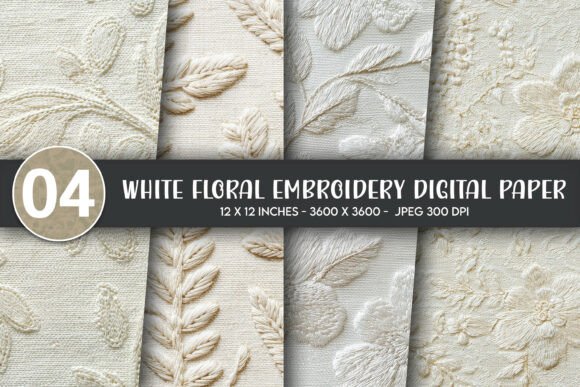
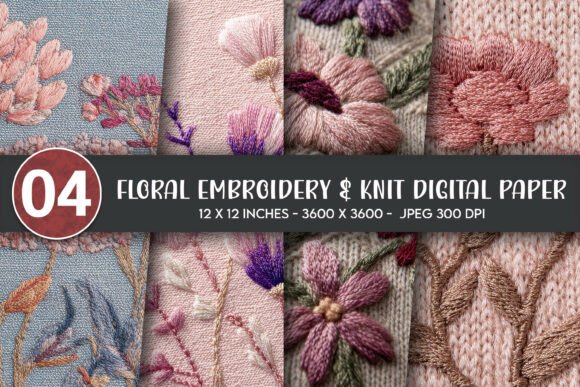
The immediate appeal of this Floral Embroidery Knit Digital Paper lies in its simulated texture. Unlike flat floral patterns, this graphic mimics the tactile warmth of stitched fabric. For a handmade product line, this is gold. It evokes feelings of nostalgia, cottagecore aesthetics, and premium craftsmanship without requiring hours of actual hand-stitching for every item. The high-resolution feature is critical here; when I zoom in to check for pixelation or blurring, the knit texture holds up, suggesting it will print crisply on both physical products and digital listings.
This design feels soft yet structured. It strikes a balance between elegant and rustic, making it suitable for a wide demographic. Whether targeting the farmhouse decor crowd or modern boutique shoppers, the floral motif combined with the knit illusion creates a cozy, inviting vibe that stops customers as they walk past a table display.
Best-Selling Applications for Market Booths
When planning my booth layout, I categorize items by price point and production speed. Here is how I envision utilizing this specific digital paper across different product categories:
- Tote Bag Design: Canvas tote bags are craft fair staples. Printing this floral knit pattern onto natural cotton canvas creates a sophisticated alternative to plain bags. The texture contrasts beautifully against the rough weave of the canvas, elevating the perceived value of the bag instantly.
- Greeting Cards and Stationery: High-margin add-ons are essential for profitability. Using this digital paper as a background for greeting cards allows for quick batch printing. The "embroidery" look makes the card feel special and tactile, encouraging buyers to pick it up.
- Throw Pillows and Home Decor: For larger ticket items, this pattern works exceptionally well on linen-look polyester or cotton twill. The floral arrangement serves as a focal point that coordinates easily with existing home interiors, reducing purchase hesitation.
- Stickers and Small Gifts: Die-cut stickers featuring elements of this pattern are perfect for impulse buys. Because the source file is high-resolution, even small sticker prints retain the intricate details of the faux-knit stitches.
Digital Products and Mockups
For the Etsy seller or digital creator, this asset is equally valuable. Creating a realistic printable mockup using this paper can significantly boost click-through rates. Instead of showing a flat JPEG, you can showcase the pattern wrapped around a 3D pillow or mug model. The depth provided by the knit texture makes digital previews look tangible, helping customers visualize the finished product before they buy.
Production Practicality and Batch Efficiency
A beautiful design is useless if it is a nightmare to produce. From a manufacturing standpoint, digital paper offers distinct advantages over traditional machine embroidery design files when speed is required. While I love creating apron embroidery and tea towel embroidery with actual thread, those items take time to hoop, stabilize, and stitch. By using this high-resolution graphic for sublimation or direct-to-garment printing, I can produce matching inventory in a fraction of the time.
This efficiency is vital for restocking during a multi-day fair. If my embroidered samples sell out Saturday morning, I cannot re-stitch twenty aprons overnight. However, I can print more tea towels or mugs featuring this Floral Embroidery Knit Digital Paper quickly. It acts as a reliable backup inventory that maintains brand consistency without burning out my embroidery machines.
Critical Use Notes for Quality Control
Despite its versatility, there are technical considerations to keep in mind to ensure professional results. As someone experienced with stitch density and fabric texture, I advise the following precautions:
- Resolution Verification: Always confirm the DPI before printing on large formats like wall art or posters. While described as high-resolution, stretching any raster image too far can result in soft edges. Test print at actual size on scrap paper first.
- Color Management: The "knit" effect relies on subtle shading. Ensure your printer profile matches the paper or fabric type. On uncoated papers or raw canvas, colors may absorb differently, potentially muting the 3D stitch illusion. A test swatch is non-negotiable.
- Contrast Check: If overlaying text for mugs or shirts, ensure sufficient contrast against the floral background. The texture is busy; white or dark solid text often reads better than outlined fonts which can get lost in the pattern details.
- Licensing Confirmation: Before listing any commercial embroidery or printed goods, verify the specific license terms included with your download. Ensure you have the rights to sell physical products made from this digital paper, as terms vary between designers.
Enhancing Booth Appeal and Customer Engagement
Visual merchandising is half the battle at a craft fair. The Floral Embroidery Knit Digital Paper contributes to a cohesive booth theme. By using this pattern across various mediums—perhaps as a table runner backdrop, on packaging tags, and on the products themselves—you create a branded environment. Customers associate the pattern with your shop's quality.
Furthermore, this design invites touch. Even though it is a print, the eye tells the brain it looks like fabric. When a customer reaches out to touch a pillow or card expecting texture, they engage physically with the product. This sensory interaction increases dwell time at your table and significantly improves conversion rates compared to items that are only visually interesting.
Designer’s Checklist Before Production
To maximize success with this small shop product, follow this pre-production checklist:
- Create Real Samples: Do not rely solely on digital renders. Print one tote bag and one greeting card to assess color accuracy and texture clarity in natural lighting.
- Check File Integrity: Open the file in your design software to ensure no layers are flattened unexpectedly or artifacts exist near the edges.
- Test on Dark vs. Light: Determine if the pattern requires a white underbase if printing on colored garments. The knit texture may disappear on dark fabrics without proper underprinting.
- Compare with Physical Embroidery: If you also sell actual embroidered patch items, place them next to the printed versions. Ensure the style complements rather than competes. They should look like part of the same collection.
- Review Spacing: If cutting out individual flowers for stickers or appliqué-style prints, ensure there is enough negative space between motifs for clean cuts.
Ultimately, the Floral Embroidery Knit Digital Paper is a powerful tool for the creative entrepreneur. It offers the beloved aesthetic of needlework with the scalability of digital graphics. By treating it with the same respect and quality control as a complex digital embroidery file, you can create a diverse, profitable product line that resonates with handmade enthusiasts and casual shoppers alike. Whether used for a stunning wall poster or a charming onesie, this pattern brings warmth and artisanal flair to every application.