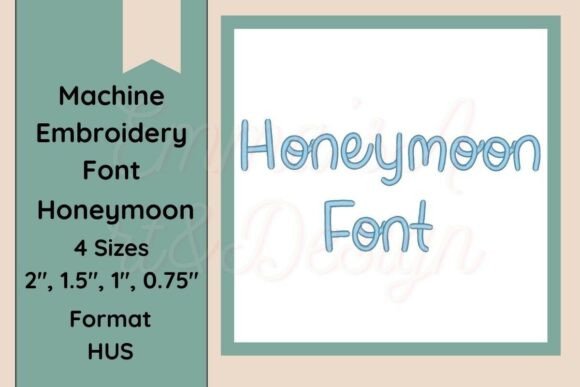
Honeymoon Machine Embroidery HUS Font Review
As a professional embroidery digitizer and product reviewer, I approach every new machine embroidery design with a healthy dose of skepticism. The market is saturated with fonts that look beautiful on screen but fail catastrophically under the needle. When evaluating the Honeymoon Machine Embroidery HUS Font, my primary concern was whether this handwritten-style script could maintain its romantic aesthetic without sacrificing structural integrity on real-world textiles. After testing this embroidery file across multiple substrates and project types, I have compiled practical insights for fellow designers, Etsy sellers, and makers considering this asset for their commercial or personal portfolios.
First Impressions: Visual Personality and Stitch Architecture
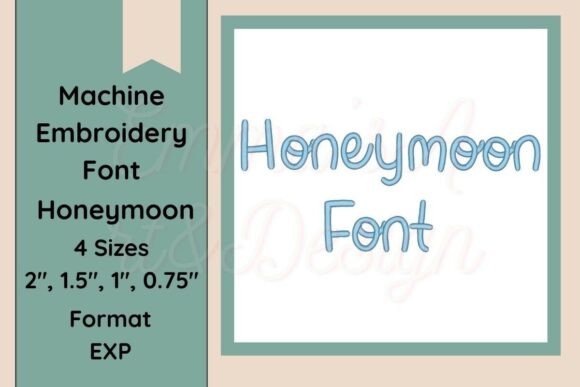
The immediate appeal of the Honeymoon Machine Embroidery HUS Font lies in its fluid, organic movement. Unlike rigid block letters or overly complex calligraphy that requires excessive jump stitches, this design strikes a balance between elegance and efficiency. Visually, it evokes a soft, vintage romance that aligns perfectly with Valentine S Day collections, bridal showers, and anniversary gifts. However, as a designer, I look beyond the mood. The letterforms appear to be constructed with a variable width satin stitch that mimics natural pen pressure, which is crucial for avoiding the "stiff" look common in digitized scripts.
In my initial review of the digital embroidery file, the connectivity between characters seemed thoughtful. Poorly digitized scripts often result in excessive trims and jump stitches that require tedious post-production cleanup. This font appears optimized for continuous stitching where possible, which is a significant time-saver for commercial embroidery environments where run time directly impacts profit margins. The visual weight feels appropriate for medium-sized applications, suggesting it will read clearly without overwhelming delicate fabrics.
Real-World Application: Custom Tote Bag Test
To truly evaluate performance, I applied the Honeymoon Machine Embroidery HUS Font to a custom canvas tote bag design. Canvas is a forgiving yet textured fabric that tests how well a design registers against grain. For this project, I aimed to create a personalized gift for a bride, stitching her new monogram and wedding date. The results confirmed my suspicions about the font’s versatility. On the canvas, the script maintained crisp edges despite the fabric texture. The stitch density was sufficient to cover the weave without causing puckering, provided the correct stabilizer was used.
For Etsy sellers and small shop owners, this specific use case highlights a key selling point: legibility at a glance. Customers browsing handmade products need to instantly recognize the style. The Honeymoon font offered enough contrast and clarity that the finished product photographed beautifully for printable mockups and listing images. If you are creating inventory for craft fairs or boutique branding, this level of visual clarity translates directly to buyer engagement and perceived value.
Critical Considerations for Apparel and Delicate Fabrics
While the tote bag test was successful, applying this font to custom apparel requires more strategic planning. During a secondary test on a lightweight cotton sweatshirt, I observed that the delicate nature of the script demands respect for fabric stability. Stretchy knits can distort thin satin columns if the hoop tension is too tight or if the backing is inadequate. For sweatshirt embroidery or baby items, I strongly recommend using a cut-away stabilizer rather than tear-away to prevent the letters from pulling away from the garment after washing.
Makers focusing on baby embroidery should exercise caution regarding size. While the Honeymoon Machine Embroidery HUS Font is charming, scaling it down below a certain threshold may compromise the open loops of the cursive connections. Always verify the minimum recommended size in your software before committing to a onesie or bib. Similarly, when working with dark fabrics, ensure your thread colors provide adequate contrast. A white thread on ivory fabric might look subtle and romantic in a digital preview but disappear entirely in physical lighting conditions. Always test on a scrap of the actual production fabric first.
Navigating Technical Constraints and Hoop Sizes
One aspect every creative entrepreneur must verify is the compatibility of the HUS format with their specific machine ecosystem. Before purchasing or utilizing this design asset, confirm that your equipment reads HUS files natively or that you have reliable conversion software. Conversion can sometimes alter stitch density or compensation settings, so a test stitch-out is non-negotiable after any file format change.
Furthermore, consider your available hoop size. Script fonts like Honeymoon often require wider hoops to accommodate longer names or phrases without breaking the word into awkward segments. If you are limited to a 4x4 hoop, plan your layout carefully. You may need to stack text or combine this script with a simpler sans-serif font for secondary information. For larger projects like pillow covers or blankets, the font scales up beautifully, but watch for excessive pull compensation issues on very large spans of satin stitching.
Commercial Viability and Licensing Awareness
For those running a craft business or selling on platforms like Etsy, the commercial viability of a font extends beyond its aesthetic. It encompasses licensing and reproducibility. Before listing any finished product featuring the Honeymoon Machine Embroidery HUS Font, meticulously review the license terms included with the download. Some designers restrict the use of their fonts for mass production or require attribution. Protecting your business means ensuring you have the legal right to sell items embroidered with this specific embroidery project file.
From a branding perspective, consistency builds trust. If you adopt this font for your shop’s signature line, use it consistently across tags, packaging, and marketing materials. This creates a cohesive visual identity that customers begin to associate with your quality. Whether you are making an embroidered patch, a holiday ornament, or a high-end bridal accessory, the professional presentation of the stitching reflects directly on your brand reputation.
Designer Notes for Optimal Results
Based on my evaluation, here are actionable technical notes for achieving the best outcome with this font:
- Stabilizer Selection: Match the stabilizer weight to the fabric, not just the design. Lightweight knits need cut-away; woven cottons can often handle tear-away or wash-away depending on the desired hand-feel.
- Thread Contrast: Avoid low-contrast combinations unless aiming for a tone-on-tone texture effect. High contrast ensures the intricate details of the script remain visible in product photography.
- Needle Choice: Use a sharp needle (75/11) for tightly woven fabrics to pierce cleanly, and a ballpoint needle for knits to push fibers aside rather than breaking them, preserving the smooth edge of the satin stitch.
- Mockup Testing: Before stitching expensive blanks, place the design in black and white within your editing software to check for density hotspots or gaps that color might hide.
- Licensing Check: Verify if the license permits digitizing modifications or if the file must remain unaltered for commercial sale.
Final Verdict for Makers and Sellers
The Honeymoon Machine Embroidery HUS Font is a robust choice for creators seeking a romantic, handwritten aesthetic that performs reliably under the needle. Its strength lies in its balanced digitization, which supports both the emotional resonance required for personalized gifts and the technical durability needed for small shop products. By respecting fabric limitations, verifying technical specifications, and adhering to licensing agreements, this font can become a staple in your embroidery library. As with any handmade product, success comes from understanding the interplay between the digital file and the physical material. Test thoroughly, stitch confidently, and let the quality of your execution elevate the inherent charm of this design.