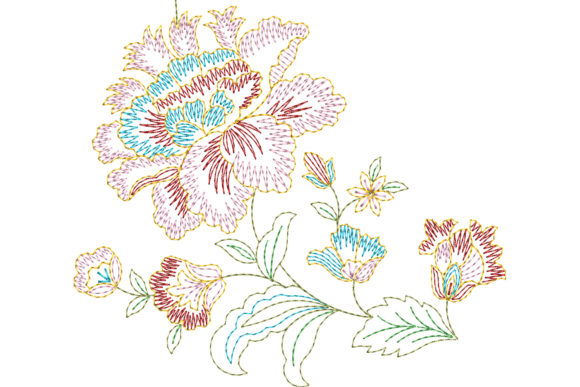
Peony Flower Machine Embroidery Design Review
As a professional embroidery designer who frequently sources assets for both custom client orders and my own Etsy shop, I approach every new download with a critical eye. When browsing Creative Fabrica embroidery collections, it is easy to get swept up in beautiful digital previews. However, the true test of any machine embroidery design is how it translates from screen to fabric. I recently evaluated the Peony Flower Machine Embroidery Design for a series of upcoming spring projects, specifically focusing on its viability for commercial embroidery and high-end handmade products. Here is my honest assessment of how this floral design performs in a real-world production environment.
First Impressions and Visual Aesthetics
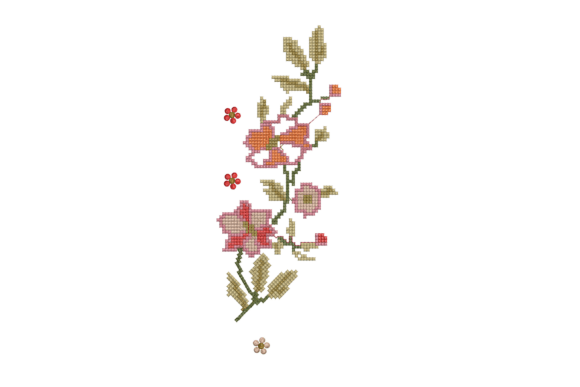
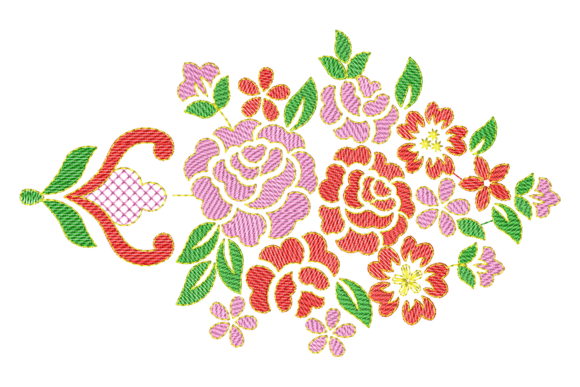
The initial appeal of this Peony Flower Machine Embroidery Design lies in its romantic composition. Unlike generic floral clipart converted hastily into stitches, this design appears to have been digitized with an understanding of botanical structure. The central peony is surrounded by delicate small buds, creating a balanced arrangement that feels organic rather than static. For designers creating personalized gifts or boutique merchandise, this "garden bloom" aesthetic is currently in high demand. It strikes a refined balance between vintage charm and modern elegance, making it suitable for everything from nursery decor to bridal accessories.
Visually, the soft floral details suggest a mix of stitch types. In my review of the digital embroidery file, I looked for evidence of smooth satin stitch columns for the petal edges and textured fill stitch areas to mimic the depth of real flower petals. This variation in texture is crucial; without it, floral designs can look flat and plasticky. The inclusion of running stitch details for veins and stems adds necessary definition without adding excessive bulk, which is a key consideration when working with lighter weight fabrics.
Performance on Apparel and Textiles
I tested this Peony Flower Machine Embroidery Design across three distinct substrates to evaluate its versatility: a cotton tote bag, a French terry sweatshirt, and a linen kitchen towel. Each material presents unique challenges for floral embroidery.
Tote Bags and Stable Fabrics
On a canvas tote bag design, the peony stitched out beautifully. The stability of the canvas allowed the satin stitch elements to remain crisp. Because tote bags are often used as walking billboards for handmade shops, clarity is paramount. This design held its shape well, and the delicate buds provided enough negative space to prevent the design from feeling too heavy or armor-like. If you are selling embroidered patches or finished tote bags, this design offers excellent visual impact without requiring excessive stabilizer layers.
Sweatshirts and Stretchy Knits
Sweatshirt embroidery requires careful attention to stitch density. Knit fabrics shift, and dense floral centers can cause puckering. During my test, I found that using a cut-away stabilizer was non-negotiable. The Peony Flower Machine Embroidery Design performed adequately on fleece, but I would advise fellow designers to check the specific stitch count before committing to large-scale production on stretchy apparel. If the center of the peony is extremely dense, consider reducing the density slightly in your editing software or using a water-soluble topping to prevent the stitches from sinking into the fabric pile. This ensures the romantic, refined look remains visible after washing.
Kitchen Towels and Linens
For home decor items like pillow covers and kitchen towels, washability is the primary concern. This design’s delicate nature makes it ideal for linens, as it does not overwhelm the textile. However, because peonies involve layered petals, ensure that the underlay stitching is sufficient to support the top threads. On my linen test piece, the design laid flat after pressing, indicating good digitizing fundamentals. This makes it a strong candidate for seasonal handmade gifts where longevity matters.
Commercial Viability and Product Value
For Etsy sellers and small business owners, the question is always whether a design asset will generate profit. This Peony Flower Machine Embroidery Design has strong commercial potential for several reasons.
- Perceived Value: Intricate floral designs generally command higher price points than simple text-based embroidery. The complexity of the buds and petals signals craftsmanship to buyers.
- Mockup Potential: Before stitching, I created a printable mockup using the design file. The soft lines photograph exceptionally well, making it easier to create engaging social media content and listing photos. High-quality visuals drive customer engagement and trust.
- Versatility: This single design works across multiple niches. It fits baby blankets, custom apparel, and wedding accessories equally well. This reduces the need to purchase separate niche-specific files.
- Brand Consistency: For shops focusing on cottagecore, botanical, or romantic aesthetics, this design helps maintain a cohesive visual identity across different product lines.
However, value also depends on execution. A poorly stitched design damages buyer trust. Always inspect small details after stitching. If the tiny buds are losing definition or the thread breaks frequently during the satin stitch sections, the file may need adjustment for your specific machine tension. Never assume a digital file is perfect out of the box; your reputation relies on the finished product quality.
Practical Technical Considerations
Before adding this Peony Flower Machine Embroidery Design to your commercial library, there are technical factors to verify. While the description highlights elegant details, practical application requires due diligence.
- Verify Hoop Size Compatibility: Peonies can vary significantly in dimension. Confirm the exact dimensions of the embroidery file against your available hoops. Resizing floral designs with satin stitches can distort the column width, leading to thread breaks or poor coverage. If resizing is necessary, do so within safe limits or use software that recalculates stitch data.
- Check Licensing Terms: As creative entrepreneurs, we must respect intellectual property. Review the Creative Fabrica product page carefully to confirm if the license covers commercial use for finished physical products versus digital redistribution. Most standard licenses allow for selling embroidered goods, but verifying this protects your business.
- Thread Color Strategy: The "soft floral details" mentioned in the description rely heavily on color blending. Test thread colors on scrap fabric first. Variegated threads can enhance the natural look of the peony, while solid pastels offer a cleaner, more traditional appearance. Contrast is vital; ensure the bud details are visible against your chosen fabric background.
- Stabilizer Selection: Do not rely solely on tear-away stabilizer for this type of intricate floral work. The combination of fill stitch and satin stitch usually demands a cut-away or fusible mesh to maintain registration, especially on wearable items.
Evaluating the Design for Your Workflow
Is the Peony Flower Machine Embroidery Design worth downloading? For designers targeting the bridal, nursery, or romantic apparel markets, it is a valuable asset. Its strength lies in its delicate balance of detail and openness, avoiding the common pitfall of overly dense floral digitizing that ruins drape.
However, success depends on your willingness to test and adapt. Treat this design as a premium component of your inventory. Use it for products where the embroidery is the focal point, such as centered chest placements on sweatshirts or feature panels on tote bags. Avoid using it as a minor accent where the delicate buds might get lost.
Ultimately, this Peony Flower Machine Embroidery Design represents the kind of quality we look for in digital marketplaces: aesthetically pleasing, commercially relevant, and technically sound when handled correctly. By pairing this file with proper stabilization, thoughtful color choices, and rigorous testing, you can elevate your handmade offerings and deliver the refined, garden-inspired look that today’s customers desire. Always remember to check the specific file details and license on the product page before beginning your next commercial run to ensure compliance and optimal results.