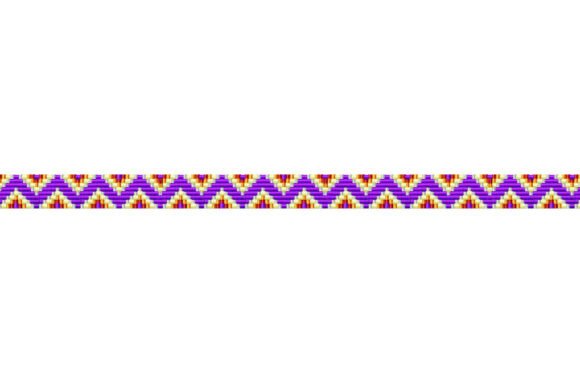
Cross Stitch Border Embroidery Design Review
As an embroidery designer who supplies personalized gifts for a busy local shop and an online Etsy store, I approach every new digital embroidery file with a critical eye. When planning inventory for the upcoming season, I recently tested the Cross Stitch Border Embroidery Design to see if it could withstand the demands of commercial embroidery while retaining that cherished handmade aesthetic. For fellow makers, gift shop owners, and crafters, finding a versatile machine embroidery design that bridges the gap between folk tradition and modern personalization is essential. This review details my practical experience testing this specific border pattern for real customer orders, focusing on its application for meaningful, personalized gift products.
First Impressions: Folk Charm Meets Modern Versatility
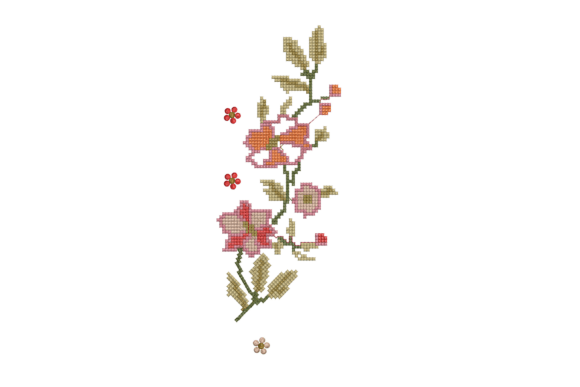
Upon loading the embroidery file into my software, the first thing that struck me was the design’s inherent warmth. The Cross Stitch Border Embroidery Design captures a classic folk ornament style that feels instantly nostalgic yet clean enough for contemporary tastes. It does not look overly digitized or stiff; instead, it mimics the organic imperfections of hand-stitched needlework. This emotional appeal is crucial when selling handmade products. Customers are not just buying thread on fabric; they are buying a feeling of heritage and care.
The color palette suggested in the product description—white, gray, black, and other neutrals—is a significant advantage for small business owners. These shades are universally flattering and gender-neutral, making this border ideal for a wide demographic. During my test stitch-out, I found that the design maintains its elegance whether stitched in stark monochrome for a modern minimalist look or in softer grays for a vintage nursery vibe. The detail level is balanced; it is intricate enough to show quality craftsmanship but open enough to prevent puckering on lighter fabrics. This versatility makes it a strong candidate for both high-end wedding gifts and everyday baby embroidery projects.
Ideal Applications for Personalized Gift Products
In my shop, borders serve as the framing device for personalization. They turn a plain textile into a canvas for custom embroidery. Based on my testing, the Cross Stitch Border Embroidery Design excels in several key categories:
- Baby Embroidery and Nursery Decor: The folk motif is perfect for blanket embroidery and crib sheets. Because the design uses neutral tones, it appeals to parents seeking gender-neutral nursery items. I successfully paired this border with a simple name script to create a keepsake baby blanket that looked heirloom-quality.
- Wedding Gifts and Keepsakes: For wedding gift designers, this border adds a touch of rustic romance to pillow covers and table linens. It frames dates and initials beautifully without overpowering the typography. The cross-stitch texture photographs exceptionally well, adding perceived value to digital mockups and finished product listings.
- Kitchen and Home Textiles: As an embroidered towel or apron accent, this design holds up well. The geometric nature of the folk ornament complements the structured lines of kitchen textiles. It transforms a standard flour sack towel into a premium housewarming gift.
- Etsy Listings and Craft Fair Products: For digital product sellers and Etsy sellers, this border is a workhorse. It can be used to create cohesive collections. I found it particularly effective for tote bags and custom apparel where the border acts as a hem or cuff detail, elevating a basic blank into a boutique item.
Navigating Fabric Challenges and Technical Limitations
While the Cross Stitch Border Embroidery Design is versatile, professional results require understanding where to use it carefully. Not all fabrics interact with cross-stitch simulation equally. During my testing phase, I noted specific scenarios requiring extra attention:
Texture and Stability Concerns
On thick terry cloth towels, the cross-stitch effect can sometimes get lost in the pile. I recommend using a water-soluble topper to keep the stitches crisp and visible. Conversely, on stretchy baby clothes like onesies, the stitch density must be monitored. If the border is too dense, it can cause the knit fabric to pucker or restrict movement. Always test on a scrap of the exact garment material before committing to a customer order.
Color Contrast and Dark Fabrics
The design shines in white, gray, and black, but contrast is king. A light gray border on a white fabric may look elegant in software but disappear in product photography or low lighting. For dark fabrics, ensure the thread colors have sufficient luminance. I also advise caution with small lettering integrated near this border; the visual weight of the folk ornament can sometimes make delicate text harder to read. Always prioritize legibility in personalized gift items.
Curved Surfaces and Hoop Size
Borders are typically linear, but applying them to curved surfaces like sleeve cuffs or rounded pillow edges requires careful hooping. Confirm your hoop size accommodates the full repeat length to avoid re-hooping, which increases registration error risks. If you must re-hoop, use alignment marks meticulously to maintain the continuous flow of the folk ornament pattern.
The Business Impact: Value, Trust, and Marketability
For small shop product lines and commercial embroidery businesses, the choice of design directly impacts profitability and brand reputation. The Cross Stitch Border Embroidery Design contributes to business success in tangible ways:
Perceived Value and Handmade Quality: In a market saturated with generic clip art, a well-executed folk ornament signals artisanal quality. Customers associate cross-stitch aesthetics with time-intensive handwork. Even though this is a machine embroidery design, the visual result triggers an emotional connection to traditional crafting, justifying higher price points for custom embroidery services.
Product Photography and Buyer Engagement: The textured appearance of this border creates depth in photos. Flat lays of embroidered towels or pillow covers featuring this design tend to perform better because the eye is drawn to the intricate border details. For Etsy sellers, using a printable mockup that accurately represents this texture can significantly reduce customer hesitation and returns.
Customer Trust Through Consistency: Using a reliable, high-quality border across multiple product lines creates brand cohesion. When customers recognize your signature style—perhaps this specific folk border on both a wedding gift and a subsequent baby embroidery order—it builds loyalty and trust in your handmade product quality.
Essential Practical Notes for Makers
Before adding the Cross Stitch Border Embroidery Design to your production queue, adhere to these professional best practices to ensure customer satisfaction:
- Verify File Specifications: As this is a digital instant download, always check the included documentation for exact stitch count, recommended hoop size, and file formats compatible with your machine. Do not assume sizing; measure your intended placement area physically.
- Test Stitch Density: Run a test sew-out on scrap fabric identical to your final product. Check the back of the embroidery; excessive bobbin thread showing on top indicates tension issues or density problems that need adjustment before stitching on a paid order.
- Stabilizer Selection is Critical: Match your stabilizer to the fabric texture. Use cut-away stabilizer for stretchy knits and baby clothes to prevent distortion over time. Use tear-away for stable woven fabrics like linen pillow covers. Never skip stabilizer on borders, as they define the edge of the design.
- Thread Color Validation: Physical thread colors often differ from screen displays. Create a physical color chart for the white, gray, and black shades recommended. Test combinations under natural light to ensure the contrast meets your quality standards for personalized gift products.
- Licensing Compliance: Before selling finished products or offering this as part of a custom embroidery service, review the commercial licensing terms included with the digital embroidery file. Respecting intellectual property protects your business and supports fellow designers.
- Wash Testing: If creating items like aprons or baby blankets that require frequent washing, launder your test sample. Ensure the cross-stitch simulation holds up without fraying or excessive shrinkage. Durability is a hallmark of a trusted handmade product.
The Cross Stitch Border Embroidery Design proves to be a valuable asset for makers focused on personalized, emotionally resonant goods. By respecting its technical requirements and leveraging its folk charm, you can create products that delight customers and strengthen your brand’s reputation for quality craftsmanship.