Cute Stork Embroidery Design: A Business Review
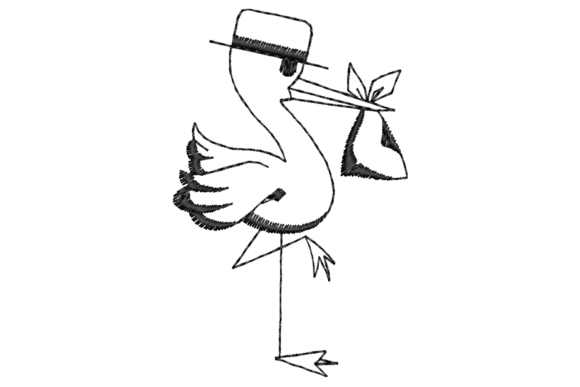
As an experienced embroidery designer specializing in commercial merchandise, I approach every new digitized asset with a critical eye toward production viability and brand application. When evaluating the Cute Stork Embroidery Design, my first impression is one of immediate warmth and narrative potential. This is not merely a decorative bird motif; it is a storytelling element that carries significant weight for specific niches. The description highlights a stork wearing a hat and carrying a bundle, evoking classic storybook charm and new beginnings. For small business owners, Etsy sellers, and apparel decorators, this visual cue is powerful. It signals care, tradition, and welcome, making it an exceptionally strong candidate for businesses centered around family, creation, or hospitality.
Evaluating Visual Personality for Brand Identity
In the realm of brand identity, consistency and tone are paramount. The Cute Stork Embroidery Design projects a friendly, rustic, and handmade aesthetic rather than a corporate or industrial feel. This distinction is vital for merch creators. If you are branding a modern tech startup, this design may be too whimsical. However, for a boutique bakery, a florist, a pet brand, or a creative studio, this design aligns perfectly with customer expectations of warmth and personal touch.
The "storybook" quality mentioned in the product details suggests a stylized, perhaps slightly vintage digitizing style. This works to your advantage when creating small business merch. Customers often associate illustrated, character-driven embroidery with higher perceived value compared to generic clip art. The stork’s hat and bundle add focal points that allow for color customization to match specific brand palettes without losing the core recognition of the design. As a designer, I see this as a versatile mascot-style asset that can anchor a collection of products, from nursery decor to café uniforms.
Commercial Applications: From Patches to Aprons
When integrating this machine embroidery design into a commercial workflow, versatility is key. Based on the motif's structure, here is how I recommend deploying it across various merchandise categories:
- Embroidered Patches: The distinct silhouette of a stork with a hat makes for excellent patch readability. Patches require bold outlines and clear internal detail separation. This design’s narrative elements translate well to merrowed-edge patches for staff uniforms or retail sale as standalone accessories.
- Apron Embroidery: For bakeries, florists, or craft studios, placing this design on the chest or pocket of an apron creates an instant connection with customers. It reinforces the "handmade product" ethos and serves as a conversation starter.
- Tote Bag Design: Canvas totes are a staple for markets and boutiques. The Cute Stork Embroidery Design provides a large, central focal point that balances well on natural cotton textures. The storybook theme pairs naturally with eco-friendly, reusable packaging narratives.
- Cap Embroidery: While possible, caps present unique challenges due to curvature. This design would work best as a centered front logo on unstructured dad hats or beanies where the fabric gives slightly. Avoid structured trucker caps unless the design has been specifically tested for high-center placement.
- Product Packaging Accents: Beyond apparel, consider using this digital embroidery file to embellish linen napkins, cloth gift bags, or premium tags. These small touches elevate the unboxing experience and reinforce brand recognition.
Production Considerations and Technical Constraints
While the aesthetic appeal is high, technical execution determines profitability. As a professional reviewer, I must highlight where caution is required when running this embroidery file in a production environment.
Fabric Texture and Stabilizer Selection
The intricate details implied by a "hat" and "bundle" require careful stabilizer management. On textured fabrics like terry cloth towels or heavy canvas tote bags, fine details can get lost or sink into the weave. Always use appropriate topping and backing. For lightweight knits used in baby apparel or boutique tees, ensure you are using a cut-away stabilizer to prevent puckering around the dense stitch areas of the stork’s body. Fabric texture directly impacts the final clarity of the finished product.
Sizing and Stitch Density
Not all designs scale infinitely. Before committing to bulk production, verify the minimum recommended size for the Cute Stork Embroidery Design. Reducing a complex character design below its intended dimensions can cause thread breaks, needle deflection, and illegible details. Conversely, enlarging it significantly without adjusting stitch density can result in a stiff, bulletproof patch that ruins the drape of a garment. Check the original digitizer's notes regarding hoop size limits and scaling recommendations.
Color Contrast and Thread Management
Storybook styles often rely on subtle shading. In commercial embroidery, we sometimes need to simplify thread colors to reduce changeovers and increase margin. Test if the design remains readable when reduced to three or four solid colors. High contrast between the stork, the hat, and the background fabric is essential for visibility at a distance. Dark uniforms will require a light outline or fill behind the design to prevent it from disappearing visually.
Designer Notes: Pre-Production Checklist
To ensure this design performs as a reliable business asset, follow this practical testing protocol before accepting client orders or listing items for sale:
- Verify Commercial Licensing: Never assume usage rights. Confirm that the digital embroidery file includes a commercial license for selling finished products. This protects your business legally.
- Run a Black and White Test: Print a line drawing or run a test stitch-out in a single color. This reveals the underlying structure and spacing without the distraction of color blending. If the shapes aren't distinct in monochrome, they won't read well in thread.
- Create a Printable Mockup: Before stitching on expensive inventory, overlay the design digitally onto photos of your actual blanks. Share this printable mockup with clients for approval to manage expectations regarding size and placement.
- Test on Real Substrates: Do not rely solely on screen simulations. Stitch a sample on the exact fabric you intend to sell. Wash and dry the sample to check for shrinkage or distortion, especially for custom apparel destined for frequent laundering.
- Audit Spacing and Jump Stitches: Inspect the file for excessive jump stitches that could snag on delicate items or slow down production time. Clean up any unnecessary trims to optimize machine runtime.
- Compare Beside Other Assets: Place the Cute Stork Embroidery Design next to your existing logos or fonts. Ensure the visual weight and style are cohesive. A mismatched aesthetic can dilute brand professionalism.
Impact on Customer Trust and Product Value
Ultimately, the decision to use the Cute Stork Embroidery Design should be driven by its ability to enhance customer trust. In the handmade and small business sector, buyers are looking for authenticity. A well-executed, thematic embroidery design signals that the business pays attention to detail. It transforms a generic blank into a branded experience.
For businesses focused on new beginnings—such as maternity brands, wedding planners, or real estate closing gifts—this design acts as an emotional anchor. It communicates empathy and celebration more effectively than text alone. When used correctly on high-quality merchandise, it justifies a premium price point and encourages repeat engagement. By treating this design as a strategic business tool rather than just a cute picture, you leverage its full potential to build a recognizable, trusted, and profitable brand identity.