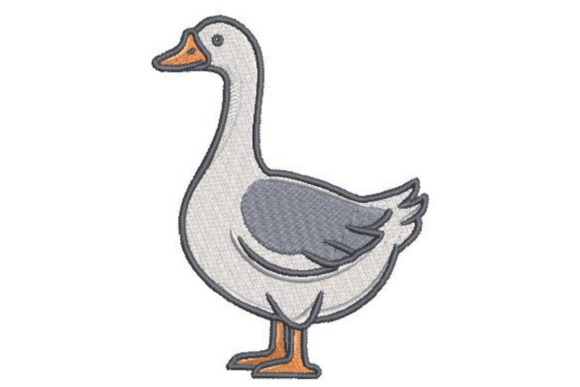
Farm Goose Embroidery: A Designer’s Market Review
As I prepare my booth layout for the upcoming weekend craft fair, I am constantly evaluating which digital assets will translate best into physical sales. When reviewing the Farm Goose Embroidery design, my immediate assessment is that this motif strikes a delicate balance between rustic charm and refined elegance. Unlike cartoonish poultry designs often found in the Birds category, this machine embroidery design leans into a sophisticated farmhouse aesthetic. The description highlights a classic white goose with soft grey wing details, suggesting a palette that is neutral, versatile, and highly marketable to customers seeking timeless handmade products rather than novelty items.
Evaluating Visual Appeal for Craft Fair Displays
First impressions at a market table are everything. Customers scan booths quickly, and the Farm Goose Embroidery possesses the visual clarity needed to stop that scan. The contrast between the white body and soft grey wings creates natural depth without relying on excessive color changes or dense shading. This simplicity is a major selling point for an Etsy seller or boutique maker because it reads clearly from a distance. On a display rack, this design does not look cluttered; instead, it evokes a sense of calm countryside living.
For my specific booth setup, I view this as a premium anchor design. It feels elegant enough for higher-priced goods but accessible enough for impulse buys. The "soft grey wing detail" mentioned in the product description implies a level of artistic rendering that elevates the perceived value of the finished product. It avoids the flat, sticker-like appearance of lesser digitizations, making it ideal for shoppers who appreciate true embroidery artistry over mass-produced prints.
Best Selling Applications for Market Products
Determining where to place a new embroidery file is just as important as the stitching itself. Based on the elegant nature of this Farm Goose Embroidery, I have identified several high-potential applications for my inventory:
- Tea Towel Embroidery: This is arguably the strongest application. The neutral white and grey thread colors pair beautifully with unbleached linen, flour sack cotton, or waffle weave fabrics. The design serves as a focal point that complements kitchen decor without overwhelming it.
- Tote Bag Design: Canvas market bags are a staple for craft fairs. This goose motif works exceptionally well centered on a natural canvas tote. It appeals to the eco-conscious shopper looking for a reusable bag with personality and style.
- Apron Embroidery: For the baking and gardening crowd, this design adds a touch of vintage flair to denim or canvas aprons. Placing the goose on the chest bib or lower pocket creates an instant heirloom feel.
- Embroidered Patches: Because the design features distinct outlines and manageable color blocks, it can be adapted into patches. These are excellent low-cost add-ons at the register or for filling gaps in a grid display.
- Pillow Covers: As a home decor item, this motif fits perfectly into the modern farmhouse trend. Stitching this onto textured linen pillow shams allows for a higher price point due to the perceived luxury of the end use.
Production Practicality and Batch Efficiency
From a production standpoint, time is money. I look for design assets that allow for efficient batch processing. The Farm Goose Embroidery appears to be optimized for repeatability. The limited color palette means fewer stops for thread changes during commercial embroidery runs. If I am hooping six tea towels in succession, knowing I only need to manage white and soft grey threads significantly speeds up production time compared to multi-colored wildlife designs.
Furthermore, this design photographs exceptionally well for online listings. High-contrast embroidery on neutral backgrounds is easier to light and edit for printable mockups or Etsy thumbnails. The clean lines ensure that even when scaled down for a mobile screen, the goose remains recognizable and attractive. This visual consistency helps build brand recognition across both physical and digital storefronts.
Critical Technical Considerations for Makers
While the aesthetic is strong, practical execution requires attention to detail. As an experienced designer, I must issue several careful-use notes regarding this machine embroidery design to ensure professional results:
- Fabric Texture Matters: While the design is elegant, placing it on highly textured terry cloth may cause the fine grey wing details to get lost. Always test on scrap fabric first. For textured towels, consider using a water-soluble topping to keep stitches crisp.
- Stitch Density Check: Before committing to a large run, inspect the stitch density. White thread on dark fabric can sometimes require extra underlay to prevent show-through. Conversely, if the fill is too dense for lightweight linen, it may cause puckering. Adjust your stabilizer choice accordingly.
- Sizing Limitations: Be cautious when resizing this design smaller than intended. Soft grey detailing may merge or become muddy if reduced excessively. Always verify that small lettering or intricate feather textures remain legible after scaling.
- Curved Surfaces: If applying this to caps, remember that the flat orientation of a goose may distort on a curved brim. Use a cap-specific hoop and potentially modify the digitization to accommodate the curve, or stick to flat-brimmed hats and beanies.
- Thread Contrast Verification: "Soft grey" can vary wildly between thread brands. What looks elegant on screen might disappear on light grey fabric. Physically compare thread colors against your chosen blank before starting production.
Maximizing Value and Customer Engagement
The ultimate goal of adding Farm Goose Embroidery to my lineup is to increase average transaction value. This design supports that goal by offering versatility. A customer might buy a tea towel, but seeing the same motif on a matching pouch encourages a bundle purchase. This cross-product consistency strengthens the handmade quality narrative of my booth.
Additionally, the elegance of this design attracts a demographic willing to pay for quality. It signals that my shop offers curated, thoughtful goods rather than generic crafts. When customers ask about the design, the story of the "classic white goose with soft grey wing details" provides an easy talking point that emphasizes artistry and tradition. This engagement builds trust and encourages repeat business.
Final Designer Checklist Before Production
Before loading this embroidery file into my machine for the fair prep, I adhere to a strict verification process. I strongly advise fellow creative entrepreneurs to do the same:
- Confirm Commercial Licensing: Never assume usage rights. Verify that the digital embroidery file includes permission for selling finished products, especially if you plan to scale beyond local markets.
- Create Physical Mockups: Digital previews are useful, but a real stitched sample is mandatory. Photograph this sample in natural light to create accurate listing images.
- Check Hoop Size Compatibility: Ensure the design dimensions fit comfortably within your available hoops with adequate margin for stabilization. Do not force a design into a hoop that is too tight.
- Review Stabilizer Pairings: Document which stabilizer works best for each substrate. Using tear-away on linen versus cutaway on stretchy canvas makes a significant difference in the final drape and quality.
- Validate Thread Colors: Confirm that your specific thread brand matches the designer’s vision. Substitutions should be tested, not guessed.
In summary, Farm Goose Embroidery represents a strong opportunity for makers targeting the farmhouse and cottagecore demographics. Its blend of elegance and rustic charm makes it a reliable performer for tea towel embroidery, tote bag designs, and other small shop products. By approaching this design with technical diligence and strategic product placement, you can transform a simple digital file into a best-selling highlight of your craft fair season. Always prioritize testing and quality control to ensure every stitched goose meets the high standards your customers expect.