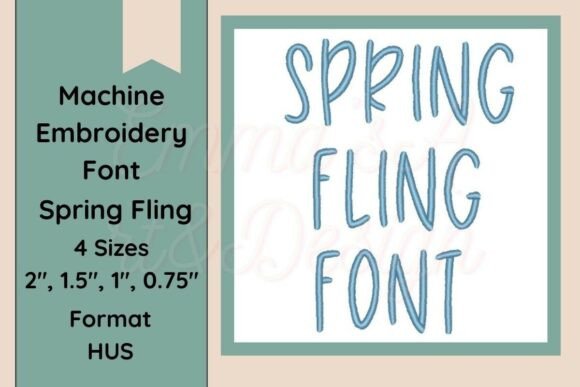
Spring Fling Font Embroidery HUS Format Review
As a professional embroidery designer working with small businesses and apparel decorators, I approach every new machine embroidery design with a critical eye toward commercial viability. When evaluating the Spring Fling Font Embroidery HUS Format, my primary focus is not just on its aesthetic appeal for Valentine’s Day, but on its structural integrity for year-round business merchandise. This review analyzes how this specific script font performs when applied to real-world branded assets, from staff uniforms to retail packaging.
First Impressions: Balancing Romance and Commercial Utility
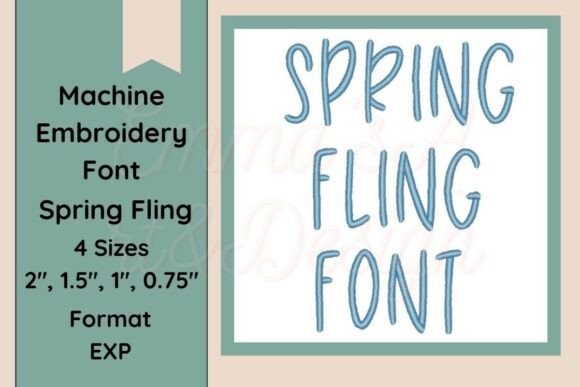
Upon loading the Spring Fling Font Embroidery HUS Format into digitizing software, the immediate impression is one of approachable elegance. The description highlights a "playful, flowing script," and visually, it delivers exactly that. For a small business owner, this visual personality is crucial. It strikes a difficult balance: it feels handmade and romantic without appearing amateurish or illegible. In the context of brand identity, this font suggests warmth, craftsmanship, and attention to detail.
However, as a designer, I look beyond the screen preview. A flowing script can be a nightmare on textured fabrics if the underlay is insufficient. Fortunately, this design appears to have adequate column width to support the curves, which is essential for maintaining clarity on items like canvas tote bags or linen aprons. The "springtime charm" mentioned in the product details translates well to businesses that want to project freshness and friendliness, such as florists, bakeries, and boutique skincare brands. It avoids the stiff, corporate look of block letters while remaining legible enough for commercial recognition.
Performance in Real Business Applications
The true test of any embroidery file is how it stitches out on physical goods. Based on the construction of Spring Fling Font Embroidery HUS Format, here is how I evaluate its performance across common small business merch categories:
- Apron Embroidery and Staff Uniforms: Script fonts are excellent for personalizing staff names on aprons. The flowing nature of Spring Fling adds a premium touch to hospitality wear. Because aprons endure high heat and frequent washing, the stitch density in this font appears robust enough to prevent fraying, provided the correct stabilizer is used during production.
- Tote Bag Design and Retail Packaging: For handmade product sellers and Etsy shops, branding on cotton canvas is standard. This font’s playful loops create a beautiful contrast against the matte texture of natural cotton. It elevates a simple tote bag from a generic giveaway to a desirable finished product that customers will reuse, extending brand visibility.
- Boutique Merchandise and Gifts: For Valentine’s Day or spring promotions, this font is ideal for monogramming customer gifts. Whether stitching onto velvet pouches or linen napkins, the romantic aesthetic aligns perfectly with seasonal marketing campaigns. It allows businesses to offer customization that feels high-value without requiring complex custom digitizing for every order.
- Patch Production: Creating an embroidered patch requires a font that holds its shape within a merrowed or satin border. Spring Fling works well for medium-to-large patches where the script can breathe. The connections between letters seem secure, reducing the risk of loose threads during the cutting process.
Critical Limitations and Usage Warnings
While versatile, no single font suits every application. As an experienced designer, I must highlight where Spring Fling Font Embroidery HUS Format requires caution to protect your brand’s professional reputation.
Cap Embroidery and Curved Surfaces
Script fonts are notoriously challenging on caps due to the curved surface and center seam. While Spring Fling is beautiful, I would advise against using it for tiny text on cap fronts. The curvature can distort the delicate connecting stitches, leading to registration issues. If you must use it for cap embroidery, keep the text centered and avoid placing letters too close to the brim or seam. Always run a test stitch-out on the exact cap style before committing to a bulk order.
Small Sizing and Legibility
The "flowing" attribute that makes this font attractive also creates vulnerability at small sizes. Do not attempt to shrink this design below its recommended minimum height. Compressing script fonts causes thread buildup, needle breaks, and illegible text. For small chest logos or sleeve details where space is limited, consider pairing this font with a simpler sans-serif typeface for secondary information, reserving Spring Fling for the primary brand name or feature word.
Fabric Texture and Stabilizer Selection
On highly textured fabrics like terry cloth or fleece, the fine details of a script font can get lost. You must use appropriate topping and backing stabilizer to ensure the stitches sit on top of the fabric pile. Without proper stabilization, even a well-digitized file will fail. Always match your stabilizer weight to the fabric texture and the stitch density of the design to maintain crisp edges.
Impact on Brand Value and Customer Trust
In the competitive landscape of commercial embroidery, typography signals quality. Using a dedicated, professionally digitized font like Spring Fling demonstrates a commitment to aesthetics that generic system fonts cannot match. When a customer receives a product with clean, consistent, and stylistically appropriate embroidery, their trust in the brand increases. This font contributes to a cohesive visual language across all design assets, reinforcing the idea that the business cares about the details.
Furthermore, consistency builds recognition. By utilizing Spring Fling Font Embroidery HUS Format across various touchpoints—from product labels to event merch—you create a unified brand experience. This visual consistency helps customers instantly identify your products in a crowded marketplace, whether online or at a craft fair.
Professional Designer Notes for Production
Before adding this digital embroidery file to your production queue, follow these practical steps to ensure success:
- Verify Technical Specifications: Always confirm the included hoop size, stitch count, and licensing terms directly from the source. Ensure the HUS format is compatible with your specific machine model before purchasing.
- Create a Printable Mockup: Before stitching, place the design in a printable mockup to visualize scale and placement relative to seams and pockets. This saves time and materials by catching sizing errors digitally.
- Test Thread Colors: Script fonts rely heavily on contrast. Test the design in both light and dark thread colors on your target fabric. A white thread on cream fabric may look elegant on screen but disappear in reality.
- Check Spacing and Kerning: Depending on the letter combination, you may need to adjust spacing manually. Review the output for awkward gaps or overlapping stitches that could cause tension issues.
- Validate Commercial Rights: Confirm that the license permits custom apparel and merchandise sales. Protecting your business legally is as important as protecting your stitch quality.
- Compare Beside Other Assets: Place this font next to your existing logo and branding elements. Ensure the weight and style complement rather than clash with your established identity.
Ultimately, Spring Fling Font Embroidery HUS Format is a valuable asset for businesses seeking to infuse their merchandise with warmth and artisanal quality. By respecting its technical limitations and leveraging its romantic aesthetic strategically, you can create embroidered products that resonate deeply with your customers and elevate your brand presence.