Floral Giraffe Embroidery Pattern Review
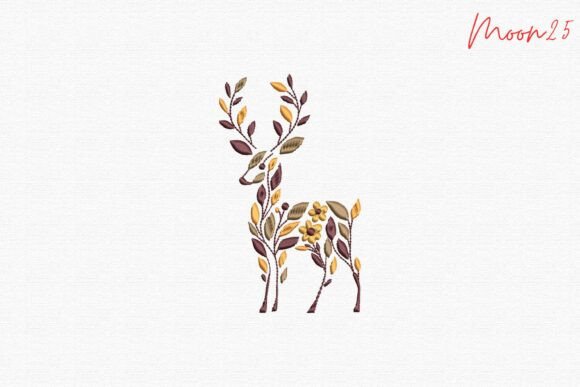
As a designer who has stitched out countless wildlife motifs for client projects and shop inventory, I approach every new machine embroidery design with a critical eye. It is not enough for a digital file to look pretty on a screen; it must translate into thread without puckering, breaking needles, or losing its charm on fabric. When I first loaded the Floral Giraffe Embroidery Pattern into my software, I was immediately struck by its departure from traditional cartoonish zoo animals. Instead, this design offers a sophisticated silhouette filled with elegant leaves, branches, and soft botanical details. The graceful shape and warm natural tones create a calm and artistic mood that feels far more aligned with modern boutique aesthetics than standard nursery decor.
First Impressions and Artistic Versatility
The visual personality of this embroidery project leans heavily into organic elegance. Unlike rigid, blocky animal outlines, the floral integration within the giraffe’s form creates natural negative space. This is a significant advantage for stitchers because it reduces overall stitch density while maintaining visual impact. For Etsy sellers and handmade product creators, this versatility is key. The design does not scream "baby" exclusively; it whispers "botanical art," making it suitable for adult custom apparel, home goods, and eco-conscious branding.
When evaluating the layout, I noticed the verticality of the giraffe shape works beautifully as a focal point. However, this also means you must be mindful of your hoop size. The elongated nature of the subject requires adequate vertical clearance. If you are planning to use this for sweatshirt embroidery or a centered chest placement, ensure your machine can accommodate the height without requiring excessive re-hooping, which can lead to alignment issues in the intricate leaf sections.
Real-World Application: Stitching a Custom Tote Bag
To truly evaluate the Floral Giraffe Embroidery Pattern, I tested it on a medium-weight canvas tote bag design. Canvas is unforgiving; if a design is too dense, it distorts the fabric weave. If it is too sparse, it looks cheap. I chose a palette of sage greens, terracotta, and cream threads to match the "warm natural tones" described in the product details.
During the stitch-out, the transition between the giraffe outline and the internal botanical elements was smooth. The design likely utilizes a combination of satin stitch for definition and lighter fill stitch or running stitch for the foliage. This balance is crucial for commercial viability. A heavy, fully saturated fill would have made the tote bag stiff and unappealing to touch. Instead, the result was soft and pliable. For small shop product lines, this tactile quality matters. Customers buying personalized gifts want items that feel high-quality, not like a bulletproof vest.
I also considered how this would perform as an embroidered patch. The distinct silhouette makes it an excellent candidate for merrowed edges. Because the internal details are botanical rather than facial features, the design remains readable even when scaled down for patches or pocket placements. This scalability is a massive asset for craft business owners looking to maximize the ROI of a single digital embroidery file.
Fabric Considerations and Technical Caution
While the Floral Giraffe Embroidery Pattern performed exceptionally well on stable canvas, other substrates require careful preparation. Here are specific technical considerations based on my review:
- Stretchy Fabrics: If applying this to knit t-shirts or baby onesies for baby embroidery, you must use a high-quality cut-away stabilizer. The intricate branch details inside the silhouette could distort if the fabric shifts during stitching.
- Textured Surfaces: On linen tea towels or waffle-weave blankets, the fine running stitch elements of the leaves may get lost in the fabric texture. Consider slightly increasing the stitch length or using a thicker thread weight for these applications to maintain clarity.
- Dark Fabrics: The design relies on warm, natural tones. On black or navy garments, these colors may lack contrast unless outlined or backed with white underlay. Always test thread colors against dark backgrounds before committing to a production run.
- Curved Items: Be cautious when placing this vertical design on caps. The giraffe’s neck may curve awkwardly over the seam of a structured hat. Flat items like aprons, pillow covers, and tote bags are safer bets for preserving the design's intended proportions.
Commercial Value and Brand Consistency
For creative entrepreneurs and apparel decorators, the value of an embroidery design lies in its ability to sell finished goods. The Floral Giraffe Embroidery Pattern succeeds because it bridges the gap between whimsical and refined. In the Wild Animals category, it avoids the juvenile trap that limits sales to infants only. I can easily envision this design on a linen apron for a florist, a throw pillow for a boho-chic living room, or a holiday gift for a nature lover.
From a branding perspective, consistency builds trust. If you are an Etsy seller focusing on cottagecore or forest-themed merchandise, this design integrates seamlessly. It elevates the perceived value of your finished product because it looks like custom illustration rather than generic clip art. When creating printable mockups or listing photos, the artistic detail allows for close-up shots that showcase stitch quality, encouraging buyer engagement and confidence.
Essential Designer Notes Before You Stitch
Before adding this design assets to your library or selling items featuring it, adhere to these professional best practices:
- Verify Licensing: Confirm whether the digital embroidery file permits commercial embroidery use. Some designers allow physical sales but prohibit digitizing modifications or digital redistribution.
- Test on Scrap Fabric: Never stitch directly onto a final product without a test run. Check registration marks and ensure the botanical fills align perfectly with the outer silhouette.
- Review Stitch Density: Open the file in your editing software. If you plan to resize the design significantly, recalculate the density. Enlarging may cause gaps in the leaves; shrinking may cause thread breaks or needle damage.
- Check Color Contrast: View the design in black and white within your software. If the giraffe disappears into the background foliage without color differentiation, you may need to adjust the stitch types or add outline stitches for better definition.
- Validate Hoop Compatibility: Ensure the dimensions fit your specific machine’s maximum stitch area. Do not assume standard 4x4 compatibility for a vertical wildlife motif without measuring first.
Final Verdict for Makers
The Floral Giraffe Embroidery Pattern is a thoughtful, aesthetically pleasing choice for stitchers who value artistry over novelty. Its blend of wildlife and botany offers fresh opportunities for custom apparel, nursery decor, and artisanal goods. By respecting the technical requirements of stitch density, stabilization, and fabric selection, you can transform this digital file into a profitable and beautiful handmade product. Whether you are creating a signature piece for your boutique or a cherished personalized gift, this design delivers both visual warmth and professional stitchability.