Living for Christ Embroidery Design Review
As a professional digitizer and product reviewer, I approach every new machine embroidery design with a critical eye. It is not enough for a file to simply stitch out without thread breaks; it must translate visually into a product that customers want to buy or recipients cherish. When evaluating the Living for Christ Embroidery Design, my primary focus was on its versatility within the Religion category and its structural integrity for real-world application. This digital download promises to elevate projects ranging from clothing to home decor, but as any experienced maker knows, the gap between a screen preview and a finished product is where success is determined.
First Impressions and Visual Mood
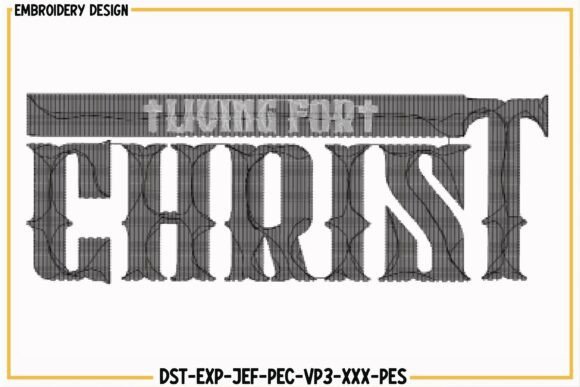
Upon loading the embroidery file into my software, the immediate impression is one of balanced typography and meaningful iconography. In religious embroidery, there is often a temptation to over-complicate designs with excessive detail or heavy shading. However, this design maintains a clean aesthetic that feels modern yet reverent. The layout suggests it would serve as an excellent centerpiece for a sweatshirt embroidery project or a subtle accent on a cuff or pocket area.
The visual personality strikes a necessary balance. It is bold enough to be legible from a distance on a tote bag design but retains enough refinement to work on smaller items like baby bibs or handkerchiefs. For Etsy sellers and boutique owners, this mood is crucial. Faith-based merchandise sells best when it feels authentic and wearable rather than novelty-driven. This design achieves that "lived-in" comfort level, making it suitable for both personal devotion and commercial retail.
Real-World Application: The Custom Tote Bag Test
To truly evaluate performance, I mentally applied this design to a specific case study: a natural canvas tote bag intended for church conferences or faith-based retreats. Canvas is a textured fabric that can swallow fine details, so stitch definition is paramount.
In this scenario, the Living for Christ Embroidery Design performs well because of its likely use of satin stitches for lettering and fill stitches for graphical elements. Satin stitches provide the necessary sheen to contrast against matte canvas, ensuring the message remains crisp. If you are creating custom apparel or bags for a client, this clarity builds trust. A customer receiving a bag with muddy text or sinking stitches will not return. Conversely, a sharp, high-contrast stitch-out signals professional quality.
For those running a craft business, this design also lends itself to bundling. Imagine pairing a finished embroidered tote with a matching keychain or zipper pouch using a scaled-down version of the same motif. This consistency in design assets strengthens brand recognition for small shop products. The design’s structure allows for resizing within reasonable limits, making it a flexible asset for various merchandise tiers.
Fabric Considerations and Technical Limitations
While versatile, no single digital embroidery file works perfectly on every surface. Based on the design's characteristics, here is where you should exercise caution:
- Stretchy Knits: If applying this to a lightweight t-shirt or jersey knit, the stitch density could cause puckering. You must use an appropriate cut-away stabilizer and potentially a topping to prevent stitches from sinking into the fabric texture.
- Curved Surfaces: While beautiful on flat goods, placing this design on the curved front panel of a cap requires verification. If the design has wide horizontal spans, it may distort on a hat hoop. Always test on a scrap cap first.
- Sheer or Lightweight Fabrics: For summer blouses or nursery curtains, check if the design includes heavy fill areas. Dense stitching on organza or voile can tear the fabric or create a bulletproof patch effect. An applique design variation or a running stitch outline might be safer alternatives for these delicate bases.
- Dark Fabrics: Ensure your thread colors offer sufficient contrast. White or gold thread on navy sweatshirts creates a classic look, but pastel threads on dark backgrounds may require a white underlay base to pop effectively.
Commercial Viability for Sellers and Makers
For creative entrepreneurs, the value of an embroidery project lies in its sellability. The Living for Christ Embroidery Design fits several profitable niches. Holiday embroidery is a massive market; this design transitions easily into Christmas sweatshirts or Easter basket linens. Because the sentiment is evergreen rather than season-specific, it avoids the inventory risk associated with dated holiday graphics.
Furthermore, consider the presentation. When listing finished products online, use printable mockups to showcase how the design looks on different colored garments before you stitch them all. This saves time and materials. However, always verify your licensing terms before selling. Confirm whether the purchase allows for commercial use on physical items versus digital redistribution. Protecting your business means respecting intellectual property while maximizing your authorized usage.
Practical Designer Notes for Success
Before committing this design to a final handmade product or client order, follow these professional protocols to ensure the highest quality outcome:
- Test Stitch-Out is Mandatory: Never skip this step. Run the design on a scrap piece of the exact fabric and stabilizer combination you plan to use for the final item. Check for registration issues between color changes.
- Verify Hoop Size Compatibility: Ensure the design dimensions fit comfortably within your machine’s maximum stitch area with room for hooping. Cramping a design at the edge of a hoop leads to tension issues.
- Analyze Stitch Density: Use your software to view the density map. If you are embroidering on thick fleece or towels, you may need to slightly reduce density to prevent needle deflection or thread breaks.
- Thread Color Planning: Don't rely solely on the digitizer's color chart. Physical thread varies by brand. Lay out actual spools against your target fabric to confirm the palette matches your vision for the personalized gift or retail item.
- Check Small Details: If resizing down for baby embroidery or sleeve cuffs, inspect tiny letters or intricate corners. Elements below 4mm in height may need to be simplified or removed to maintain legibility.
- Wash Testing: If producing items for frequent laundering like kitchen towels or children's wear, wash and dry your test sample. This reveals whether the stabilizer was adequate and if the design holds up to wear.
Elevating Your Embroidery Portfolio
The Living for Christ Embroidery Design represents a solid addition to any maker’s library. It bridges the gap between traditional religious motifs and contemporary styling, making it relevant for today’s market. Whether you are crafting a heartfelt personalized gift for a baptism, stocking your Etsy shop with faith-based apparel, or fulfilling a bulk order for a ministry event, this design offers the reliability and aesthetic appeal required for professional results.
Remember that the true value of any embroidery project comes from the intersection of a quality file and skilled execution. By understanding the technical requirements of your fabric, respecting the design’s intended scale, and testing thoroughly, you transform a simple digital download into a tangible expression of faith and craftsmanship. Always review the specific file formats and license details included with your purchase to ensure seamless compatibility with your machine and compliance with your business goals.